
Janssen Auto Group

Blog

Nebraska

7 Ways to Protect Your Vehicle's Resale Value

7 Ways to Protect Your Vehicle's Resale Value Buying a vehicle is a major investment. Whether you've recently purchased a new car, SUV, or truck, or you've been driving the same vehicle for several years, taking care of it can make a big difference when it's time to upgrade. While every vehicle experiences some depreciation over time, there are several things you can do to help maintain its condition and potentially improve its resale or trade-in value. At Janssen Auto Group, we know Nebraska drivers want to get the most out of their vehicles. Here are seven ways to protect your vehicle's value for the long haul. 1. Stay Consistent With Routine Maintenance One of the best ways to protect your vehicle's value is to keep up with regular maintenance. Oil changes, tire rotations, brake inspections, and fluid checks help keep your vehicle operating properly and can prevent small issues from becoming expensive repairs. Following the manufacturer's recommended maintenance schedule also gives you a documented history of vehicle care. When it's time to sell or trade in your vehicle, having maintenance records available can help demonstrate that you've taken good care of it. 2. Keep the Interior Clean Your vehicle's interior plays a major role in its overall appearance. Over time, dirt, food spills, pet hair, and everyday wear can make an otherwise well-maintained vehicle look older than it really is. A few simple habits can help: Vacuum carpets and floor mats regularly. Wipe down the dashboard and interior surfaces. Clean spills as soon as possible. Use appropriate products to protect leather and upholstery. Avoid leaving trash and unnecessary items inside. If you regularly travel with children or pets, consider using seat covers and protective floor mats. 3. Protect Your Vehicle's Exterior Your vehicle's paint does more than make it look good. It also provides a protective barrier against environmental elements. Nebraska drivers experience plenty of conditions that can affect exterior finishes, including winter road treatments, summer sun, dust, and road debris. To help protect your vehicle: Wash it regularly, especially during winter. Remove bird droppings and tree sap promptly. Apply an appropriate wax or paint protectant. Avoid letting dirt and road salt accumulate. Address paint chips before they develop into larger problems. Parking in a garage or shaded area when possible can also help reduce exposure to harsh weather and sunlight. 4. Don't Ignore Small Repairs A small issue today can become a much bigger problem tomorrow. Unusual noises, warning lights, fluid leaks, and changes in vehicle performance should never be ignored. Even minor cosmetic problems, such as cracked trim, damaged mirrors, or small windshield chips, can affect how buyers perceive a vehicle. Addressing concerns early can help prevent additional damage and keep your vehicle in better overall condition. 5. Take Care of Your Tires Tires are one of the most important components of your vehicle, and their condition can influence both safety and resale value. Regularly check tire pressure and monitor tread wear. Rotating your tires according to the manufacturer's recommendations helps promote even wear and may extend their lifespan. It's also a good idea to have your alignment checked if you notice your vehicle pulling to one side or experiencing uneven tire wear. For Nebraska drivers, maintaining good tires is especially important when winter weather arrives. 6. Keep Your Mileage and Driving Habits in Mind Mileage is one factor buyers consider when evaluating a used vehicle. While you can't avoid putting miles on a vehicle, your driving habits can influence how quickly certain components wear. Whenever possible: Avoid aggressive acceleration and hard braking. Allow the engine to warm up appropriately. Avoid excessive idling. Don't overload your vehicle. Follow recommended towing limits. Address maintenance needs promptly. Smooth driving habits can help reduce unnecessary wear on important vehicle components. 7. Keep Your Records and Original Equipment When you purchase a vehicle, hold onto important documents and accessories. This includes: Maintenance and repair records Owner's manual Spare keys and key fobs Original equipment and accessories Warranty information Purchase documentation Having these items available when you decide to sell or trade in your vehicle can make the process easier. It also gives potential buyers additional information about the vehicle's history and care. Thinking About Trading In Your Vehicle? Even if you're not planning to upgrade anytime soon, taking care of your vehicle today can help put you in a better position when that time comes. At Janssen Auto Group, we're here to help Nebraska drivers explore their options when they're ready for something new. Whether you're interested in a newer SUV, a capable pickup truck, or a dependable everyday car, our team can help you explore available inventory and learn more about the trade-in process. Ready to see what your vehicle could be worth? Visit Janssen Auto Group to explore your trade-in options and discover your next vehicle. Remember, the best time to start protecting your vehicle's value is long before you're ready to sell it!

Read More
Nebraska

Towing in Nebraska: 10 Things Every Truck Owner Should Know Before Hitting the Road

Whether you're hauling a camper to the lake, pulling a boat across Nebraska, transporting equipment for work, or moving a trailer across the state, towing requires more preparation than simply hooking up and driving away. Nebraska drivers rely on pickup trucks for everything from weekend recreation to agriculture and everyday work. But even if you own a capable truck, understanding towing capacity, trailer weight, braking, and proper equipment is essential for a safer trip. At Janssen Auto Group, we know how important truck capability is for Nebraska drivers. Here are 10 important things to know before towing your next trailer. 1. Know Your Truck's Towing Capacity One of the biggest mistakes drivers make is assuming every pickup truck can tow the same amount. Towing capacity varies depending on the truck's engine, drivetrain, cab configuration, axle ratio, equipment package, and other factors. Before attaching a trailer, check your owner's manual and vehicle information label to understand your specific truck's towing limits. Never assume that a truck's advertised maximum towing capacity applies to every configuration. 2. Understand the Difference Between Towing Capacity and Payload Towing capacity and payload are two different measurements. Towing capacity: The maximum trailer weight your vehicle is rated to tow under specified conditions. Payload capacity: The total weight your truck can carry, including passengers, cargo, and trailer tongue weight. Remember that the weight pressing down on your truck's hitch counts toward its payload. A truck may have plenty of towing capacity but still exceed its payload limit when carrying passengers, tools, luggage, and a loaded trailer. 3. Distribute Trailer Weight Properly How you load your trailer can have a major impact on handling. Uneven weight distribution can cause trailer sway, poor steering response, and difficulty controlling your vehicle. For conventional trailers, a common guideline is to place approximately 10% to 15% of the loaded trailer weight on the hitch, provided this remains within the ratings of the truck, hitch, and trailer. Keep heavier items secured and positioned appropriately, and avoid loading too much weight toward the rear of the trailer. Always follow the trailer and vehicle manufacturer's loading recommendations. 4. Inspect Your Trailer Tires Your truck isn't the only vehicle that needs properly maintained tires. Before every towing trip, inspect your trailer tires for: Proper inflation pressure Uneven tread wear Cracks or visible damage Bulges or sidewall problems Signs of excessive heat or deterioration Trailer tires often sit unused for extended periods, making regular inspections especially important. Always inflate trailer tires according to their specified requirements. 5. Check Your Trailer Brakes and Lights Properly functioning trailer brakes and lighting systems are essential for safe towing. Before leaving, verify that: Brake lights are working. Turn signals operate correctly. Running lights are functioning. Trailer brakes respond properly. Electrical connections are secure. Safety chains are correctly attached. If your trailer has an electric braking system, make sure the brake controller is properly configured for your trailer. 6. Allow More Room for Stopping A loaded trailer adds considerable weight to your vehicle combination. That means stopping distances can increase, especially during sudden braking or when traveling downhill. When towing: Increase your following distance. Brake gradually whenever possible. Avoid sudden steering movements. Reduce speed before curves. Give yourself additional room when merging. Remember that the truck's braking system is managing more weight than it does during normal driving. 7. Be Prepared for Nebraska Wind Nebraska is known for its open landscapes and strong winds. Crosswinds can make towing especially challenging because trailers have large surface areas that catch the wind. Drivers should be particularly cautious when traveling on open highways, bridges, and exposed rural roads. If strong winds make your trailer difficult to control, reduce your speed and find a safe place to stop if necessary. Never try to fight excessive trailer sway by making aggressive steering corrections. 8. Understand Your Truck's Hitch and Equipment Ratings Not every hitch is designed for every trailer. Before towing, verify that your hitch, receiver, ball mount, trailer ball, and other towing components are rated for the load. You should also make sure the hitch size and connection type match your trailer. Depending on the trailer and vehicle combination, you may need: A weight-distributing hitch A properly rated ball mount Trailer brake controller Extended towing mirrors A suitable electrical connection Using equipment that is not rated for your trailer's weight can create serious safety risks. 9. Practice Before Taking a Long Trip If you're new to towing, spend some time practicing before heading onto busy highways. Find a safe, open area and practice: Making wider turns Backing up with a trailer Braking smoothly Changing lanes Checking blind spots Maintaining proper following distance Backing up can be particularly challenging because trailers respond differently than most drivers expect. A little practice can make a big difference when you're navigating parking areas, campgrounds, boat ramps, and tight spaces. 10. Schedule Regular Truck Maintenance Towing places additional demands on your vehicle. If you regularly pull trailers, boats, campers, or equipment, staying current on maintenance becomes especially important. Pay attention to: Engine oil and cooling system condition Transmission maintenance Brake condition Tire wear and pressure Suspension components Steering components Battery and electrical connections Your owner's manual may recommend additional maintenance or shorter service intervals for vehicles used frequently for towing. Find the Right Truck for Your Towing Needs at Janssen Auto Group Whether you're towing a camper for a weekend getaway, hauling equipment for work, or transporting a boat to your favorite Nebraska lake, having the right truck makes a difference. Janssen Auto Group offers a variety of new and pre-owned trucks to meet different driving and towing needs. Our team can help you compare truck configurations, available towing packages, and capabilities so you can find a vehicle that fits your lifestyle. Ready for your next towing adventure? Visit your nearest Janssen Auto Group dealership to explore our truck inventory and find the right vehicle for the road ahead.

Halloween

Halloween Driving Safety Tips: Keep Nebraska Families Safe on the Road.

Halloween is one of the most exciting nights of the year for families, but it can also bring additional safety challenges for drivers. More children are walking through neighborhoods, crossing streets, and visiting homes while wearing costumes and carrying candy bags. With increased pedestrian activity and reduced visibility after dark, drivers need to take extra precautions. Whether you're driving through Holdrege, North Platte, McCook, York, or Plattsmouth, following a few simple Halloween driving safety tips can help protect everyone on the road. 7 Halloween Driving Safety Tips for Nebraska Drivers 1. Slow Down in Residential Neighborhoods Children may unexpectedly run across streets while trick-or-treating. Reduce your speed in residential neighborhoods, especially near schools, parks, and popular trick-or-treating areas. Give yourself additional time to react if a child enters the roadway. 2. Watch Carefully for Pedestrians Halloween brings more pedestrians onto sidewalks, driveways, and residential streets. Children may be distracted by costumes, decorations, and candy. Pay extra attention at intersections, crosswalks, and between parked vehicles. Never assume the road is clear just because you don't immediately see pedestrians. 3. Turn On Your Headlights Early Visibility becomes especially important on Halloween night. Turn on your headlights before sunset and make sure all exterior lights are working properly. Clean headlights can also improve nighttime visibility, particularly when driving through neighborhoods with limited street lighting. 4. Avoid Distracted Driving Keep your attention on the road. Put your phone away, avoid adjusting your entertainment system while driving, and minimize other distractions. If you are traveling with children, make sure everyone is safely buckled before leaving. 5. Never Drive Under the Influence Halloween celebrations may include parties and adult gatherings. If alcohol or other impairing substances are involved, arrange a designated driver or another safe ride home. Never get behind the wheel if you are impaired. 6. Be Extra Careful When Backing Up Children can be difficult to see behind vehicles, particularly when wearing dark costumes. Before backing out of a driveway, check your surroundings carefully. Use your mirrors and backup camera, but never rely on technology alone. Watch for children walking behind parked vehicles. Whenever possible, avoid backing out into busy trick-or-treating areas. 7. Make Sure Your Vehicle Is Ready for Nighttime Driving Halloween often means driving after dark, when visibility and reaction time become especially important. Before heading out, check your: Headlights and taillights Turn signals and brake lights Windshield wipers Windshield condition Tires and tire pressure If something isn't working properly, have it inspected before your next drive. Halloween Safety Is a Community Effort Safe Halloween driving isn't just about individual drivers. Parents should encourage children to use sidewalks and crosswalks, carry flashlights or wear reflective accessories, and stay with an adult when trick-or-treating. Drivers should remain alert, follow posted speed limits, and be prepared for unexpected pedestrian activity. A few extra precautions can make a meaningful difference for Nebraska families enjoying Halloween festivities. Drive Safely This Halloween with Janssen Auto Group At Janssen Auto Group, we care about the safety of the communities we serve. From Holdrege and North Platte to McCook, York, and Plattsmouth, we want Nebraska drivers and their families to enjoy a safe Halloween. Whether you need a vehicle inspection, new tires, or routine automotive maintenance, our dealership service teams are here to help keep your vehicle road-ready. Slow down, stay alert, and watch for little ghosts and goblins this Halloween! From everyone at Janssen Auto Group, have a safe and happy Halloween!

Nebraska

Is Your Vehicle Ready for Nebraska Winter? 7 Maintenance Checks Before the First Snow.

Nebraska winters can be tough on vehicles. Freezing temperatures, icy highways, blowing snow, and unpredictable weather make it important to prepare your car, truck, or SUV before winter arrives. Whether you're commuting through Holdrege, traveling between North Platte and McCook, or driving around York or Plattsmouth, a little preventative maintenance can help keep your vehicle running reliably all season. At Janssen Auto Group, we want Nebraska drivers to feel confident wherever the road takes them. Here are seven important vehicle maintenance checks to complete before the first snowfall. 1. Test Your Car Battery Cold temperatures can significantly reduce battery performance. If your vehicle has been slow to start, or your battery is several years old, have it tested before temperatures drop. A healthy battery is especially important during Nebraska's freezing winter mornings. 2. Inspect Your Tires and Tread Depth Your tires play a major role in winter driving safety. Check tread depth, look for uneven wear, and make sure your tires are properly inflated. Cold weather can cause tire pressure to drop, so check it regularly using your vehicle manufacturer's recommended pressure. If your tires are worn, consider replacing them before snow and ice arrive. 3. Check Your Antifreeze and Coolant Your engine's cooling system does more than prevent overheating. Proper coolant concentration also helps protect your engine from freezing temperatures. Have your coolant condition and protection level checked to make sure your vehicle is prepared for Nebraska's coldest days. 4. Replace Worn Windshield Wipers Snow, freezing rain, and road spray can quickly reduce visibility. Inspect your windshield wiper blades for cracks, streaking, or poor contact with the glass. Replace worn blades and keep winter-rated windshield washer fluid in your vehicle. 5. Have Your Brakes Inspected Winter roads demand dependable braking performance. Have your brake pads, rotors, and brake fluid inspected before winter driving conditions arrive. If you notice squealing, grinding, vibrations, or changes in braking response, schedule an inspection promptly. 6. Check Your Heating and Defrosting Systems A properly working heater and defroster are essential during Nebraska winters. Your heating system helps keep passengers comfortable, while your defroster helps maintain visibility when windows fog or frost over. Have any unusual noises, weak airflow, or inconsistent heating checked before winter begins. 7. Stay Current on Routine Maintenance Winter is not the time to overlook routine maintenance. Check your oil, filters, belts, hoses, exterior lights, and other important vehicle components. Following your manufacturer's recommended maintenance schedule can help identify potential problems before they become unexpected roadside inconveniences. Get Your Vehicle Winter-Ready at Janssen Auto Group Preparing your vehicle for winter doesn't have to be complicated. A professional inspection can help identify worn components, maintenance needs, and potential issues before freezing temperatures arrive. Janssen Auto Group proudly serves Nebraska drivers with automotive sales and service across Holdrege, North Platte, McCook, York, and Plattsmouth. Our dealership family represents Ford, Chevrolet, GMC, Honda, Chrysler, Dodge, Jeep, and Ram. Whether you drive a daily commuter, family SUV, or hardworking pickup truck, our team is here to help you prepare for the season ahead. Don't wait for the first snowstorm to think about winter maintenance. Visit Janssen Auto Group or schedule your next service appointment today. Wherever Nebraska roads take you, we're here to help keep you moving!

Nebraska

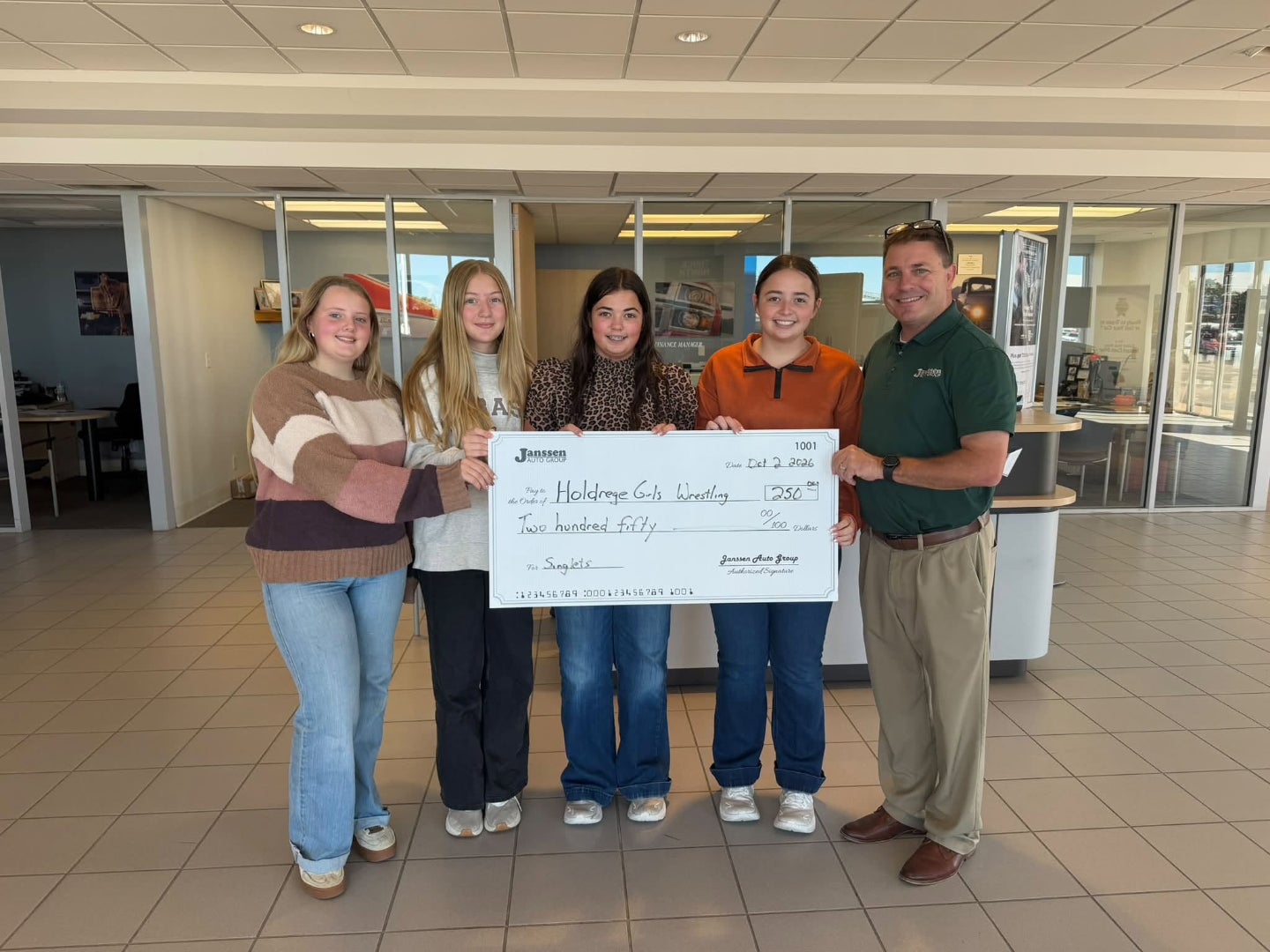
Janssen Auto Group Supports Holdrege Duster Girls Wrestling

Janssen Auto Group is proud to support Holdrege Duster Girls Wrestling with a donation in 2026, demonstrating its ongoing commitment to local students, athletics, and the Holdrege, Nebraska community. As a Nebraska-based automotive group, Janssen Auto Group believes supporting local communities goes beyond selling and servicing vehicles. Investing in local schools and athletic programs helps create opportunities for students to develop confidence, discipline, teamwork, and perseverance. Girls wrestling continues to provide young athletes with opportunities to challenge themselves, build leadership skills, and represent their schools with pride. Janssen Auto Group is honored to support the Holdrege Duster girls wrestling program and recognize the dedication of its student-athletes, coaches, and families. With dealerships serving Holdrege and surrounding Nebraska communities, Janssen Auto Group understands the importance of strong local partnerships. Community involvement is an essential part of building lasting relationships with the people and families it serves. The 2026 donation reflects Janssen Auto Group’s commitment to helping local organizations thrive and supporting the next generation of Nebraska athletes. Janssen Auto Group is proud to stand behind Holdrege Duster Girls Wrestling and the positive impact local athletics have on students and the community.

Nebraska

How to Get Better Gas Mileage: 10 Tips for Nebraska Drivers

Looking for ways to get better gas mileage? You don't necessarily need a new vehicle to improve your fuel economy. Simple changes to the way you drive, maintain, and use your vehicle can help you get more miles out of every tank. For Nebraska drivers, long highway trips, rural roads, changing weather, and everyday commuting can all affect fuel economy. Here are 10 practical ways to improve your gas mileage. 1. Drive Smoothly Rapid acceleration, hard braking, and aggressive driving can significantly reduce fuel economy. The U.S. Department of Energy estimates aggressive driving can lower gas mileage by 15% to 30% at highway speeds and 10% to 40% in stop-and-go traffic. Accelerate gradually, anticipate stops, and maintain a consistent speed whenever traffic and road conditions allow. 2. Check Your Tire Pressure Properly inflated tires can help your vehicle roll more efficiently. The Department of Energy reports that properly inflated tires can improve fuel economy by about 0.6% on average and up to 3%. Check your tire pressure regularly, especially when temperatures change. Use the pressure listed on the driver's door-jamb label or in your owner's manual—not the maximum pressure printed on the tire. 3. Watch Your Highway Speed Fuel economy generally decreases as speed increases, particularly at higher highway speeds. You don't need to drive below the speed limit to save fuel; simply avoid unnecessary speeding and maintain a steady, legal speed. This can make a difference for Nebraska drivers who regularly travel long distances on I-80 and other highways. 4. Avoid Unnecessary Idling An idling vehicle uses fuel even though you're not going anywhere. The Department of Energy estimates an idling vehicle can consume roughly a quarter to a half gallon of fuel per hour, depending on the engine and conditions. If you're parked and don't need the engine running, shut it off. 5. Use Cruise Control on Long Trips When traffic and road conditions are appropriate, cruise control can help maintain a consistent speed and reduce unnecessary acceleration and deceleration. It's especially useful on long highway drives, but avoid cruise control when roads are slippery or conditions require frequent speed changes. 6. Remove Extra Weight and Cargo The more weight your vehicle carries, the more energy it needs to move. Remove unnecessary items from your trunk, cargo area, or truck bed. The same applies to roof racks and cargo boxes. Exterior cargo increases aerodynamic drag, particularly at highway speeds. If you aren't using a roof-mounted accessory, consider removing it. 7. Combine Your Errands Several short trips can use more fuel than one longer trip because your engine consumes additional fuel while warming up. When possible, combine errands into a single trip. Planning your route can save both fuel and time. 8. Keep Up With Maintenance Routine maintenance helps your vehicle operate as efficiently as possible. Keep an eye on tire pressure, follow the manufacturer's maintenance schedule, and address warning lights or changes in vehicle performance promptly. If your gas mileage suddenly drops, a maintenance issue could be part of the problem. 9. Track Your MPG Want to know whether you're actually improving your fuel economy? Track it. Fill your tank, reset your trip odometer, and record the number of miles driven before your next fill-up. Divide the miles driven by the gallons needed to refill the tank. For example, 360 miles divided by 12 gallons equals 30 MPG. Tracking several tanks will give you a better picture of your vehicle's typical fuel economy. 10. Choose a Vehicle That Fits Your Needs Sometimes the best way to improve fuel economy is to choose a vehicle designed for the way you drive. If you primarily commute and travel on highways, a fuel-efficient car or crossover may make sense. If you regularly tow or haul, a truck or SUV may be the better choice. Janssen Auto Group offers a variety of cars, trucks, and SUVs for Nebraska drivers, so you can compare vehicles based on fuel economy, capability, size, and features. How Can I Get Better Gas Mileage? Start with the basics: drive smoothly, maintain proper tire pressure, avoid unnecessary idling, watch your highway speed, remove unnecessary cargo, and keep up with routine maintenance. Small changes can add up over thousands of miles, particularly for Nebraska drivers who spend a lot of time on the road. If you're considering a more fuel-efficient vehicle, explore the current inventory at Janssen Auto Group and find a vehicle that fits the way you drive.

Nebraska

What Does the Check Engine Light Mean? 7 Things Nebraska Drivers Should Know.

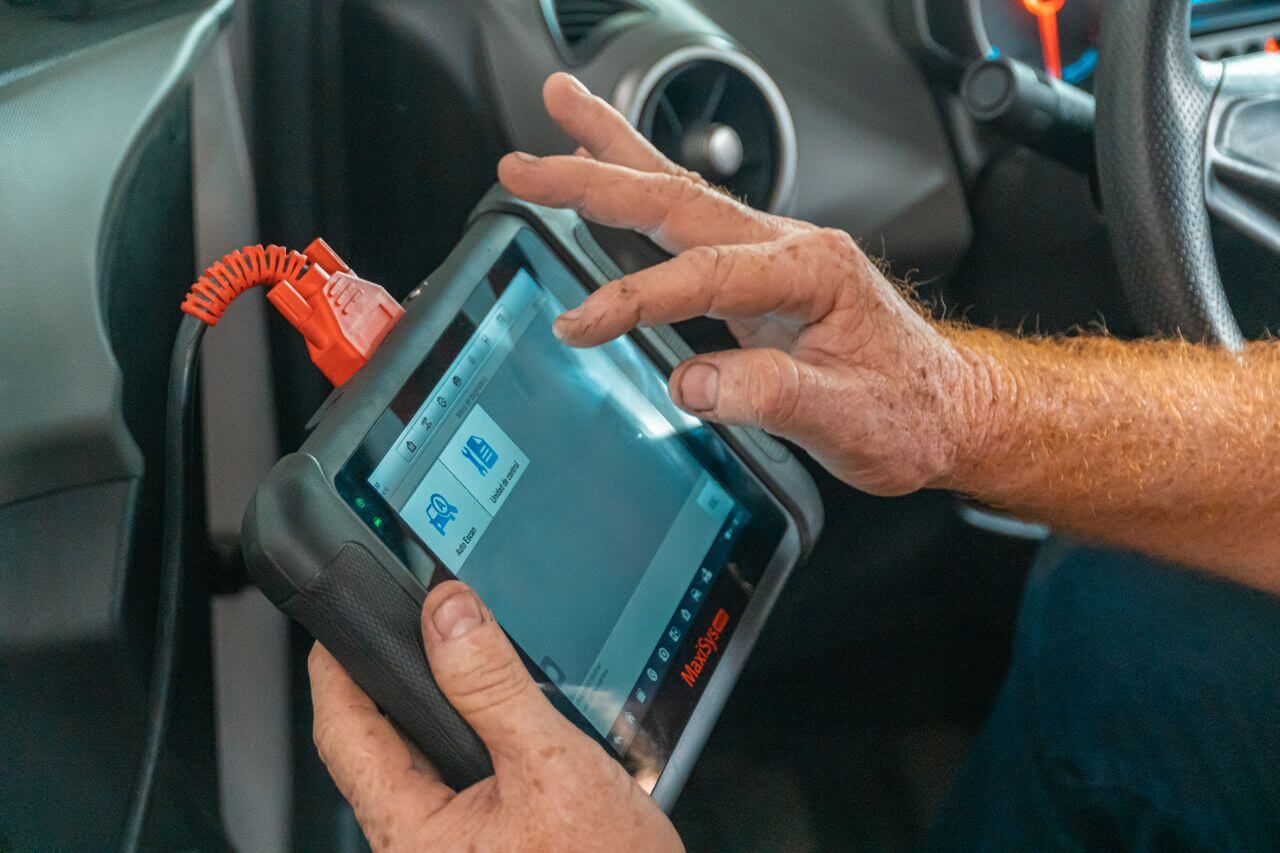
When your check engine light comes on, it can be difficult to know whether you need to stop driving immediately or simply schedule a service appointment. The answer depends on what the light looks like and how your vehicle is running. A check engine light means your vehicle's onboard diagnostic system has detected a potential problem. It could be something minor, such as a loose gas cap, or something that requires immediate attention. Solid vs. Flashing Check Engine Light A solid check engine light usually means your vehicle has detected a problem that should be diagnosed. If your vehicle is driving normally, you can typically drive it to a service department, but don't ignore the warning. A flashing check engine light is more serious. It can indicate an engine misfire or another condition that could cause additional damage. If the light is flashing and your vehicle is shaking, losing power, running poorly, or making unusual noises, pull over safely and have it inspected as soon as possible. 7 Common Reasons Your Check Engine Light Comes On Some of the most common causes include: Loose or damaged gas cap – A loose gas cap can trigger an emissions warning. Worn spark plugs – Faulty spark plugs can cause misfires and poor engine performance. Oxygen sensor problems – A failing sensor can affect fuel economy and emissions. Emissions-system issues – Your vehicle has several components designed to control emissions, and a fault can trigger the light. Ignition problems – Issues with ignition coils or related components can cause engine misfires. Catalytic converter problems – A failing catalytic converter can affect emissions and vehicle performance. Faulty sensors or electrical components – Modern vehicles depend on numerous sensors to monitor engine operation. Can You Drive With the Check Engine Light On? If the light is solid and your vehicle is running normally, you can often drive a short distance to have the problem diagnosed. However, continuing to drive indefinitely without finding the cause can turn a small problem into a larger—and potentially more expensive—repair. If the light is flashing, don't assume it's safe to continue driving. A flashing warning can indicate a serious engine issue. Nebraska drivers should also consider their driving habits. Long commutes, rural roads, gravel roads, and extended highway trips can make it especially important to address warning lights before you're far from home. What Should You Do When the Light Comes On? First, check whether the light is solid or flashing. Then pay attention to how your vehicle is behaving. If you notice rough idling, shaking, reduced power, poor fuel economy, unusual smells or noises, difficulty starting, or smoke, have the vehicle inspected promptly. If the vehicle seems to be running normally and the light is solid, schedule a diagnostic check to find out what's causing the warning. Check Engine Light FAQs Can a check engine light turn off by itself? Yes. A temporary issue can sometimes cause the light to turn off, but that doesn't necessarily mean the underlying problem is fixed. Is the check engine light the same as a maintenance light? No. A maintenance reminder indicates routine service may be due. A check engine light means the vehicle's diagnostic system has detected a potential problem. What does a flashing check engine light mean? It can indicate a serious issue, such as an engine misfire. Have the vehicle inspected promptly. How long can I drive with the check engine light on? There is no universal time or mileage limit. It depends on what's causing the light and how the vehicle is performing. Don't Ignore Your Check Engine Light A check engine light doesn't always mean an expensive repair, but it's a warning worth taking seriously. Getting the problem diagnosed early can help prevent additional damage and keep your vehicle running reliably. If your check engine light is on, contact Janssen Auto Group's service team to schedule a diagnostic inspection and find out what your vehicle needs.

Janssen Kuenle Chevrolet: A New Chapter for Chevrolet in Plattsmouth, Nebraska

Plattsmouth, NE — The Janssen Auto Group is proud to announce the acquisition of Gregg Young Chevrolet of Plattsmouth. The dealership will now operate as Janssen Kuenle Chevrolet, bringing a new chapter of local ownership, service, and customer care to the Plattsmouth community. Located in Plattsmouth, Nebraska, Janssen Kuenle Chevrolet will continue serving Chevrolet customers throughout Cass County and the surrounding communities, including Bellevue, Papillion, Omaha, La Vista, Louisville, Springfield, and Glenwood, Iowa. Your Local Chevrolet Dealership in Plattsmouth While the name is changing, customers can continue to count on a convenient local destination for their Chevrolet needs. Janssen Kuenle Chevrolet will offer a selection of new Chevrolet vehicles, used cars, trucks, and SUVs, along with Chevrolet service, maintenance, parts, and other automotive services. Whether you're shopping for a new Chevrolet Silverado, Equinox, Traverse, Tahoe, Trailblazer, Trax, or Blazer, looking for a dependable used vehicle, or bringing your current vehicle in for service, the team at Janssen Kuenle Chevrolet is here to help. Part of the Janssen Auto Group The acquisition brings Janssen Kuenle Chevrolet into the Janssen Auto Group family. With a focus on straightforward automotive experiences and long-term relationships with customers, the group is excited to become part of the Plattsmouth community. “Our goal is simple: to provide our customers with an exceptional dealership experience and to build lasting relationships in the communities we serve,” said the Janssen Auto Group team. “We’re excited to bring the Janssen name to Plattsmouth and look forward to serving Chevrolet drivers for years to come.” Proud to Serve Plattsmouth and the Surrounding Area Janssen Kuenle Chevrolet is committed to being a trusted Chevrolet dealer in Plattsmouth, NE. Whether you're a longtime Chevrolet owner or purchasing your first vehicle, our team looks forward to helping you find the right vehicle and providing the service and support you need throughout ownership. The Janssen Auto Group thanks current and future customers for welcoming Janssen Kuenle Chevrolet to the Plattsmouth area. We look forward to becoming your local destination for new and used Chevrolet vehicles, Chevrolet service, auto parts, and automotive care. Visit Janssen Kuenle Chevrolet in Plattsmouth, Nebraska, and experience the difference. Visit the website at: www.janssenkuenlechevrolet.com

Nebraska

What Should You Keep in Your Vehicle for Nebraska Winter? A Complete Emergency Kit Guide.

Nebraska winters can bring freezing temperatures, snow, ice, and changing road conditions. Whether you're commuting to work, running errands around Plattsmouth, or heading out on a longer winter drive, keeping an emergency kit in your vehicle can help you stay prepared when conditions take an unexpected turn. So, what should you keep in your car during a Nebraska winter? Here are some of the most important items to have on hand. 1. Ice Scraper and Snow Brush Keep a sturdy ice scraper and snow brush in your vehicle all winter. Clearing snow and ice from your windows, mirrors, lights, and roof before driving helps improve visibility and safety. 2. Blankets or Extra Warm Clothing If you become stranded or your vehicle won't start, temperatures can drop quickly. Pack a warm blanket, coat, gloves, hat, and extra socks. These items take up little space but can make a big difference if you have to wait for assistance. 3. Flashlight and Extra Batteries A flashlight can be extremely useful if you experience vehicle trouble after dark. Keep extra batteries with it, or consider a rechargeable flashlight and make sure it stays charged. 4. Jumper Cables or a Portable Jump Starter Cold temperatures can be hard on vehicle batteries. Jumper cables are a useful addition to any emergency kit, while a portable jump starter can provide another option if another vehicle isn't available. 5. First-Aid Kit A basic first-aid kit should include items such as adhesive bandages, gauze, antiseptic wipes, medical tape, and disposable gloves. Check your kit periodically and replace anything that has expired or been used. 6. Water and Nonperishable Snacks If you become stranded for an extended period, having drinking water and shelf-stable snacks available can help. Choose items that can tolerate being stored in your vehicle and replace them periodically. 7. Phone Charger or Power Bank Your phone can be an important tool for contacting family, emergency services, or roadside assistance. Keep a vehicle charger or fully charged power bank available so you aren't relying on a nearly empty phone battery. 8. Basic Emergency and Traction Supplies Consider keeping a small shovel, reflective warning triangles, work gloves, and traction material such as kitty litter or sand in your vehicle. These supplies can be particularly helpful if your vehicle gets stuck or you need to make yourself more visible to other drivers. 9. Tire-Related Supplies Winter driving makes properly maintained tires especially important. Keep your tire pressure at the manufacturer's recommended level and inspect your tires regularly. An emergency kit can also include a tire pressure gauge. If your vehicle is equipped with a spare tire, make sure you know where it is and periodically check that it is properly inflated. 10. Keep Your Fuel Tank From Getting Too Low One of the simplest ways to prepare for winter travel is to avoid letting your fuel level get extremely low, particularly before longer trips or when severe weather is expected. A sufficient fuel level can help give you more options if traffic slows or you encounter an unexpected delay. What Else Should You Do Before Winter Driving in Nebraska? An emergency kit is only part of winter preparation. Before the coldest part of the season, have your vehicle inspected and make sure important systems are ready for winter conditions. Pay particular attention to: Battery condition Tire pressure and tread Engine coolant Windshield washer fluid Wiper blades Lights Brakes Heating and defrosting systems It's also a good idea to check the weather and road conditions before leaving and let someone know your plans when traveling during severe winter weather. Be Prepared for Nebraska Winter Roads A little preparation can go a long way when winter weather arrives. Keeping a well-stocked emergency kit in your vehicle gives you useful supplies if you encounter a dead battery, get stuck in snow, or experience an unexpected delay. If your vehicle needs a winter inspection or service, the team at Janssen Kuenle CDJR of Plattsmouth is here to help keep you ready for the road. Schedule your next service visit and make sure your vehicle is prepared for the Nebraska winter ahead.

Nebraska

Janssen Auto Group Supports Mental Health Matters in Holdrege, Nebraska

At Janssen Auto Group, being part of a community means more than providing quality vehicles and automotive service. It means supporting the organizations, people, and causes that help Nebraska communities thrive. That’s why Janssen Auto Group is proud to support Mental Health Matters in Holdrege, Nebraska, as a Silver Sponsor. Mental health is an important part of a healthy, connected community. Organizations like Mental Health Matters help bring greater awareness to mental wellness and encourage people to recognize that asking for support is a sign of strength, not weakness. For Janssen Auto Group, supporting Mental Health Matters is another way to invest in the people and communities we have been proud to serve for more than five decades. Supporting the Holdrege Community Janssen Auto Group has deep roots in Holdrege. The group operates three dealerships in the community, including Janssen & Sons Ford, Lee Janssen Motor Company, and Janssen Chrysler Jeep Dodge Ram. Since the company was founded in Nebraska in 1971, Janssen Auto Group has built its reputation around relationships, personal service, and treating people with respect. Community involvement is a natural extension of those values. Supporting Mental Health Matters in Holdrege is one small but meaningful way Janssen Auto Group can help strengthen the community we call home. Why Community Partnerships Matter Strong communities are built when local businesses, organizations, families, and individuals work together. Whether the goal is supporting mental health awareness, local schools, community events, or other important causes, partnerships can make a meaningful difference. Janssen Auto Group is grateful for the opportunity to support organizations working to make life better for people throughout Holdrege and communities across Nebraska. We appreciate Mental Health Matters for the work they do and are honored to be a Silver Sponsor. Most importantly, we encourage everyone to remember that mental health matters, and that supporting one another helps make our communities stronger. Janssen Auto Group is proud to support Holdrege, Nebraska, and the people who make this community such a great place to live and work. Learn More, visit their Facebook page.

Nebraska

Nebraska Gravel Roads: How to Protect Your Vehicle From Dust, Rocks, and Damage.

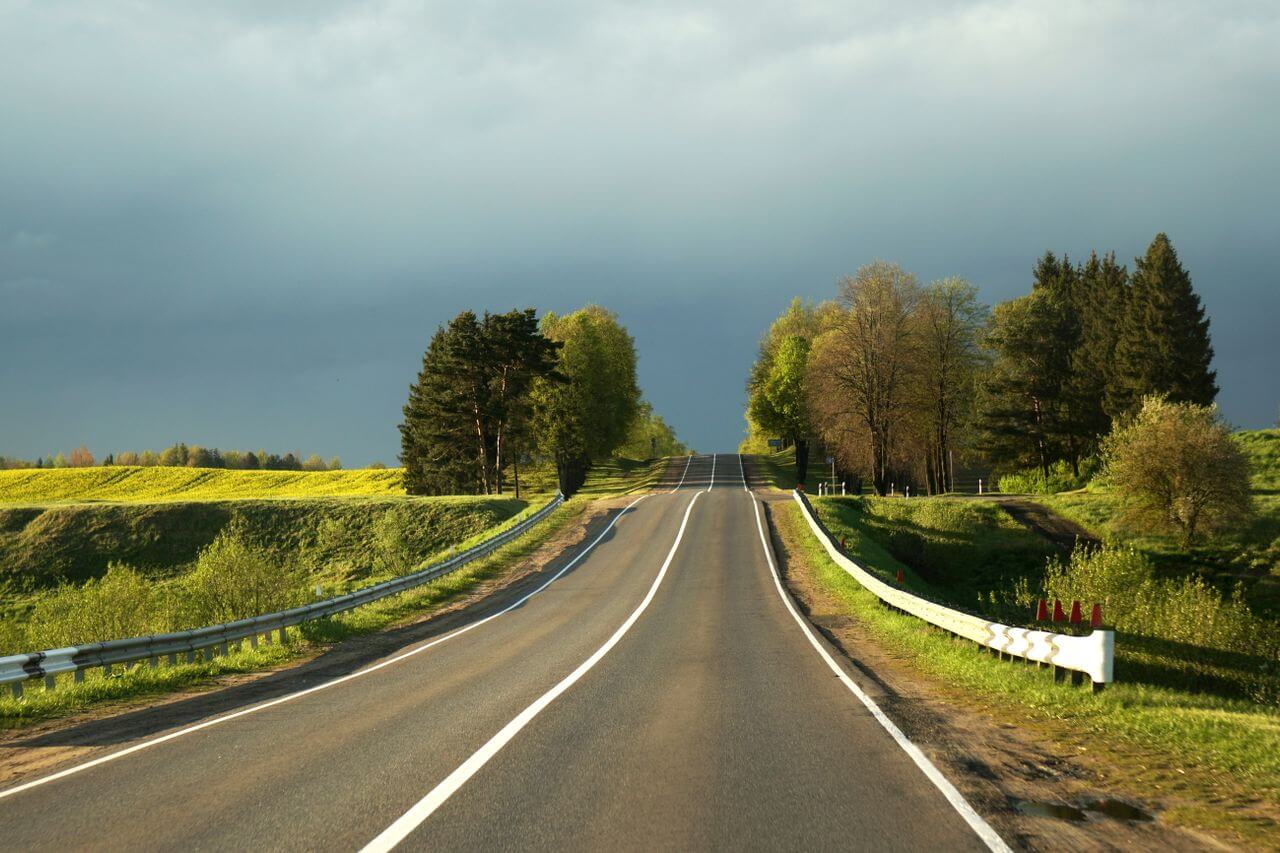
If you drive in Nebraska, chances are you’ve spent some time on a gravel road. Whether you’re heading to a farm, ranch, hunting property, lake, campground, rural home, or simply taking a shortcut between communities, gravel roads are a normal part of driving in Nebraska. In fact, Nebraska has roughly 72,000 miles of unpaved roads, making gravel-road driving an everyday reality for many rural drivers. Gravel roads can be hard on a vehicle, however. Dust can work its way into components, loose rocks can damage paint and glass, and rough or washboard surfaces can put additional stress on tires, suspension, and steering components. The good news? A few simple habits can help protect your vehicle and keep it ready for Nebraska roads. Why Are Gravel Roads Hard on Vehicles? Gravel roads aren't necessarily dangerous for your vehicle, but they create different challenges than paved roads. Loose rocks can be kicked up by your own tires or by vehicles traveling in the opposite direction. Fine dust can accumulate underneath the hood and around other components. Rough surfaces can also create additional vibration and impact compared with smooth pavement. Nebraska's gravel roads can also change significantly depending on weather conditions. Rain can soften road surfaces and contribute to ruts, while dry conditions can create significant amounts of dust. That means your driving habits and maintenance routine can make a difference. 1. Slow Down on Gravel Roads One of the simplest ways to reduce wear and potential damage is to reduce your speed. Driving too quickly over loose gravel can increase the likelihood of: Rocks being thrown by your tires Loss of traction Damage from potholes or ruts Suspension impacts Windshield chips Reduced control on curves A slower speed gives your tires more opportunity to maintain contact with the road and gives you more time to react to changing road conditions. It also helps protect your vehicle from unnecessary impacts. 2. Give Other Vehicles Plenty of Space Following too closely on a gravel road can put your vehicle directly in the path of rocks and dust coming from the vehicle ahead. Increase your following distance whenever possible. This is particularly important behind trucks, SUVs, trailers, and agricultural equipment that may throw more gravel than a smaller passenger vehicle. If another vehicle is approaching from the opposite direction, slowing down can also reduce the amount of gravel kicked toward each vehicle. A little extra space can help protect your windshield, paint, and headlights. 3. Keep Your Tires Properly Inflated Tires are your vehicle's first point of contact with the road, so they're especially important when driving on gravel. Check your tire pressure regularly and follow the vehicle manufacturer's recommended pressure rather than simply guessing based on the appearance of the tire. Proper inflation can help your vehicle maintain predictable handling and can reduce unnecessary tire wear. Before a long trip on rural Nebraska roads, it's also a good idea to check for: Uneven tread wear Cracks or visible damage Nails or other objects Low tire pressure Excessively worn tread If you're unsure about the condition of your tires, have them professionally inspected. 4. Don't Ignore Your Air Filter Gravel roads can create significantly more dust than paved roads, particularly during dry conditions. That makes your vehicle's air filtration system especially important. The engine air filter helps prevent dirt and debris from entering the engine's intake system. A filter that becomes heavily loaded with dust may restrict airflow and affect engine performance. If you regularly drive gravel roads, ask your service technician whether your air filter should be inspected more frequently than the standard maintenance schedule. Your cabin air filter is worth checking, too. If you frequently drive behind dusty vehicles or travel on unpaved roads, keeping the cabin air filter clean can help maintain the quality of the air entering the passenger compartment. 5. Wash the Vehicle After Heavy Gravel-Road Driving Dust doesn't just make your vehicle look dirty. It can accumulate in areas where you don't necessarily notice it. After spending significant time on dusty gravel roads, washing your vehicle can help remove dirt and fine debris from the exterior. Pay particular attention to: Wheel wells Undercarriage Around the wheels and tires Lower body panels Grille and front-end areas Avoid aggressively wiping a heavily dusty vehicle before rinsing it. Loose dirt and grit can act like sandpaper against the paint. A thorough rinse first can help minimize the chance of creating scratches. 6. Pay Attention to Your Suspension Gravel roads, potholes, ruts, and washboard surfaces can put additional stress on suspension components. If you regularly travel rough Nebraska roads, pay attention to changes in how your vehicle feels. Signs that your suspension may need inspection can include: New or unusual noises Excessive bouncing Vehicle pulling to one side Uneven tire wear A rougher-than-normal ride Steering that feels different than usual Don't assume a new noise is simply the result of driving on gravel. If something feels different, it's worth having the vehicle checked. 7. Protect Your Windshield Windshield damage is another concern when driving on gravel roads. Small rocks can create chips that may eventually turn into larger cracks. If you notice a chip after driving on gravel, have it evaluated rather than ignoring it. A small repair may be possible before the damage spreads. Maintaining plenty of following distance is one of the best ways to reduce the risk of rock damage in the first place. 8. Check Your Vehicle After Long Gravel Trips A quick inspection after a long trip can help you catch small problems before they become expensive ones. Take a few minutes to look over: Tires and wheels Windshield Headlights and exterior lights Underbody Suspension components Fluid levels Engine air filter Exterior paint and body panels You don't need to be a mechanic to spot something unusual. If something looks damaged, loose, leaking, or out of place, schedule an inspection with a qualified service team. 9. Do You Need 4WD or AWD for Nebraska Gravel Roads? Not necessarily. Four-wheel drive and all-wheel drive can provide additional traction in certain conditions, but you don't automatically need either system simply because you regularly drive on gravel. The condition of the road, weather, tires, vehicle clearance, and your driving habits all matter. A well-maintained two-wheel-drive vehicle with appropriate tires can handle many gravel roads perfectly well when driven appropriately. However, if your driving regularly includes muddy roads, deep snow, steep terrain, rough rural roads, or other challenging conditions, an available AWD or 4WD system may be worth considering when choosing your next vehicle. The right vehicle depends on where and how you drive. 10. Know When Your Vehicle Needs Service Regular maintenance becomes especially important when your vehicle spends a lot of time on gravel. If you're frequently driving Nebraska's rural roads, don't ignore maintenance reminders or unusual changes in your vehicle's performance. Regular inspections can help identify worn tires, suspension issues, damaged components, dirty filters, and other problems before they become bigger concerns. At Janssen Auto Group, our service teams help Nebraska drivers keep their vehicles ready for everything from daily commutes to rural gravel roads and long-distance travel. Gravel Roads Are Part of Driving in Nebraska Gravel roads are simply part of life for many Nebraska drivers. You don't have to avoid them to protect your vehicle. Instead, focus on smart driving habits, proper maintenance, and paying attention to how your vehicle responds to changing road conditions. Slow down, leave extra space between vehicles, keep your tires properly maintained, inspect your vehicle regularly, and don't ignore small problems. Those simple steps can help protect your vehicle from the dust, rocks, bumps, and other challenges that come with Nebraska gravel roads. Need Service for Your Vehicle? If your vehicle has been spending more time on gravel roads lately—or you're noticing unusual tire wear, suspension noise, windshield damage, or other concerns—Janssen Auto Group can help. Visit your nearest Janssen Auto Group location to schedule service, have your vehicle inspected, or explore our selection of new and pre-owned vehicles designed for the many ways Nebraska drivers travel. Wherever Nebraska roads take you, we're here to help keep you moving.

Nebraska

Camping Destinations Near McCook, Nebraska: Great Weekend Getaways Within an Hour.

Looking for the best camping near McCook, Nebraska? Whether you enjoy pitching a tent by the water, bringing the RV for a long weekend, or simply escaping into southwest Nebraska's wide-open spaces, you'll find several outstanding campgrounds within an easy drive of McCook. From lakeside campsites to family-friendly recreation areas, these destinations make it easy to spend more time outdoors and less time on the road. Red Willow State Recreation Area (About 20 Minutes from McCook) If you're searching for the closest and most popular camping destination near McCook, Red Willow State Recreation Area should be at the top of your list. Located on Hugh Butler Lake (formerly Red Willow Reservoir), this recreation area offers: Electric and primitive campsites RV-friendly camping Modern restrooms and showers Boat ramps Excellent fishing Swimming beach Hiking opportunities Whether you're planning a weekend of fishing, boating, or simply relaxing by the campfire, Red Willow has something for nearly everyone. The campground includes dozens of campsites with electric hookups, while primitive sites provide a quieter outdoor experience. Medicine Creek State Recreation Area (About 40 Minutes from McCook) Located near Cambridge, Medicine Creek State Recreation Area is a favorite among campers who enjoy peaceful reservoir views and outdoor recreation. Visitors can enjoy: Tent camping RV camping Fishing Boating Kayaking Wildlife watching Medicine Creek is often a little quieter than larger recreation areas, making it an excellent destination for anyone looking to unplug for the weekend. Swanson Reservoir State Recreation Area (About 35 Minutes from McCook) Just northwest of McCook near Trenton, Swanson Reservoir offers one of southwest Nebraska's best combinations of camping and fishing. Popular activities include: Camping with lake views Walleye and catfish fishing Boating Paddle sports Birdwatching Its spacious shoreline and peaceful atmosphere make Swanson a great destination for families and anglers alike. Enders Reservoir State Recreation Area (About 45 Minutes from McCook) If you're looking for a slightly longer drive with plenty of outdoor opportunities, Enders Reservoir is well worth the trip. Campers can enjoy: Modern and primitive campsites Fishing Boating Swimming Scenic prairie views Recent improvements have made it even easier to reserve campsites during the camping season, making Enders an increasingly popular destination for southwest Nebraska travelers. Karrer Park Campground (Right in McCook) Don't overlook one of McCook's most convenient camping options. Karrer Park offers: RV sites with electrical hookups Picnic shelters Walking trails Easy access to restaurants and shopping A convenient overnight stop for travelers It's a great option if you're passing through McCook or want quick access to town while still enjoying the outdoors. Tips for Your Southwest Nebraska Camping Trip Before heading out, remember to: Reserve campsites early during summer weekends when available. Purchase a Nebraska State Park Permit if required. Pack sunscreen, insect repellent, and plenty of drinking water. Check current fire restrictions and weather conditions before your trip. Bring fishing gear if you're camping near one of the area's reservoirs. Make the Most of Your Next Camping Adventure Whether you're towing a camper to Red Willow State Recreation Area, loading kayaks for Medicine Creek, or spending a relaxing weekend at Swanson Reservoir, having the right vehicle can make every camping trip more enjoyable. From capable pickup trucks with impressive towing capacity to spacious SUVs with room for coolers, camping gear, and the whole family, Janssen Auto Group has vehicles ready for your next Nebraska adventure. Visit your nearest Janssen Auto Group location to find a vehicle that's ready for wherever the road... and the campground... takes you.

Nebraska

Fishing Destinations Worth Driving To Near Holdrege, North Platte, McCook, York & Plattsmouth.

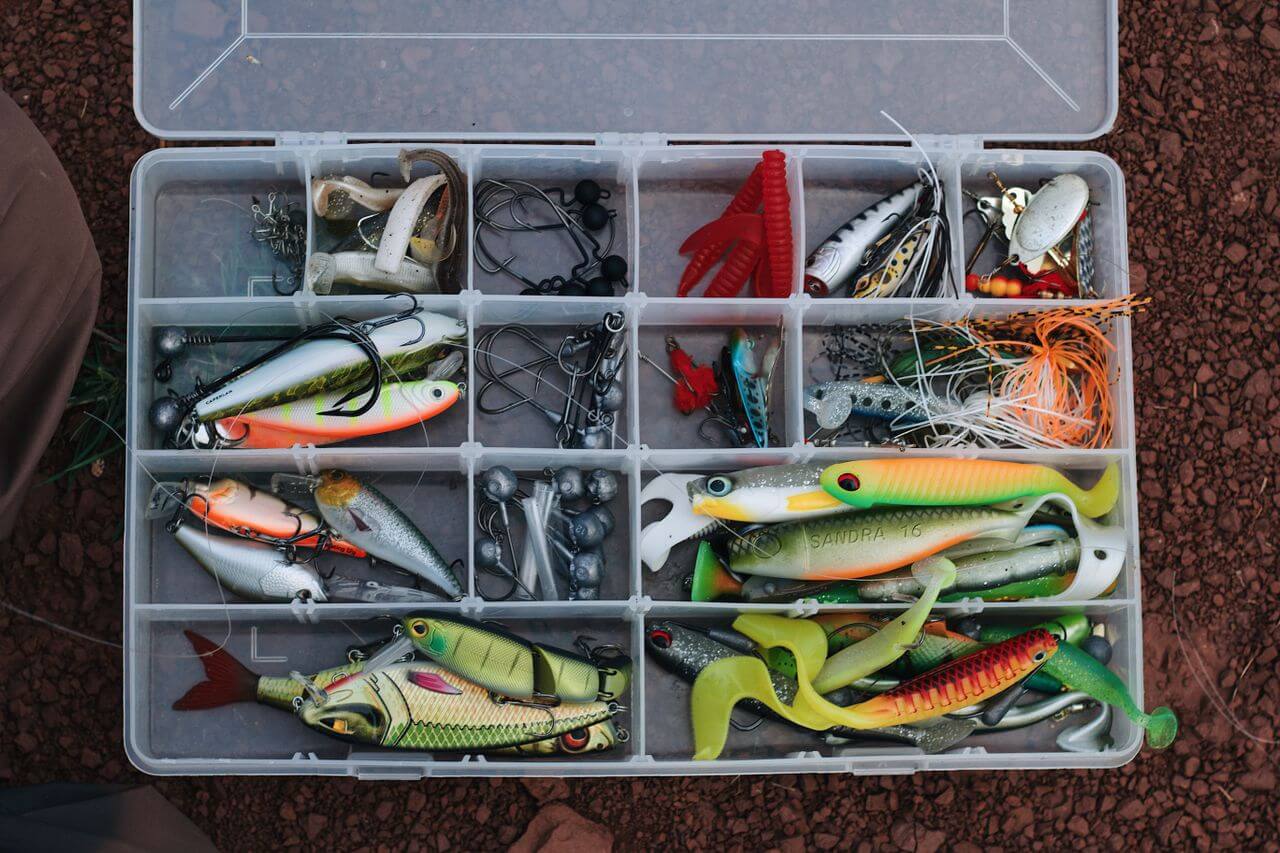
Whether you're chasing walleye at sunrise, looking for a quiet spot to catch bluegill with the kids, or planning a weekend on the water, Nebraska offers outstanding fishing opportunities just a short drive from many Janssen Auto Group locations. If you're searching for the best fishing spots near Holdrege, North Platte, McCook, York, or Plattsmouth, here are some destinations worth adding to your list. Best Fishing Spots Near Holdrege, NE (Within About 50 Miles) Johnson Lake State Recreation Area Located roughly 30 miles north of Holdrege, Johnson Lake is one of south-central Nebraska's premier fisheries. Anglers regularly catch: Walleye White bass Crappie Channel catfish Smallmouth bass The lake also offers camping, boat ramps, picnic areas, and fish-cleaning stations, making it an excellent destination for a full weekend outdoors. Elwood Reservoir Just west of Johnson Lake, Elwood Reservoir is another favorite for anglers looking for walleye, catfish, and bass in a quieter setting. Holdrege City Lake (North Park) You don't always have to travel far. Holdrege City Lake features accessible fishing, seasonal trout stockings, bass, bluegill, crappie, and channel catfish—perfect for an afternoon close to home. Best Fishing Spots Near North Platte, NE Iron Horse Park Lake (North Platte I-80 Lake) This family-friendly lake is ideal for beginners and experienced anglers alike. You'll find: Rainbow trout (seasonal) Largemouth bass Bluegill Channel catfish Yellow perch Fishing piers, playgrounds, and easy shoreline access make it a great stop for families. Lake Maloney Just south of North Platte, Lake Maloney offers excellent opportunities for walleye, white bass, crappie, catfish, and boating. Jeffrey Reservoir Located west of Brady, Jeffrey Reservoir is known for healthy populations of walleye, bass, and channel catfish while offering scenic Sandhills views. Best Fishing Spots Near McCook, NE Hugh Butler Lake (Red Willow Reservoir) About 15 miles northeast of McCook, Hugh Butler Lake is among southwest Nebraska's best-known fishing destinations. Popular catches include: Walleye Northern pike White bass Channel catfish Crappie The recreation area also includes camping, boating, hiking, and excellent shoreline access. Red Willow Wildlife Management Area If you enjoy quieter fishing away from heavier boat traffic, nearby public access areas provide excellent bank fishing opportunities. Best Fishing Spots Near York, NE Recharge Lake Just outside York, Recharge Lake offers convenient fishing for bass, bluegill, catfish, and crappie. Kirkpatrick North Wildlife Management Area A hidden gem for anglers seeking peaceful surroundings and quality fishing close to York. Branched Oak Lake About 45–50 miles east of York, Branched Oak is one of eastern Nebraska's largest reservoirs and offers outstanding fishing for: Walleye Wiper Crappie Catfish Largemouth bass Best Fishing Spots Near Plattsmouth, NE Louisville State Recreation Area Only a short drive from Plattsmouth, Louisville SRA provides several lakes with opportunities for bass, bluegill, catfish, and trout during seasonal stockings. Platte River Access Areas Several public access points along the Platte River near Plattsmouth allow anglers to target catfish, drum, carp, and other warm-water species. Two Rivers State Recreation Area A favorite for families, Two Rivers features multiple stocked lakes, picnic areas, and excellent bank fishing opportunities. Before You Head Out Before planning your trip: • Verify seasonal stocking reports if you're targeting trout. • Purchase a valid Nebraska fishing permit. • Review current regulations and length limits. • Check local water conditions before launching a boat. Drive There in Comfort Whether you're towing a fishing boat to Hugh Butler Lake, packing camping gear for Johnson Lake, or heading out for a relaxing afternoon at Holdrege City Lake, having the right vehicle makes every trip easier. From capable pickup trucks and spacious SUVs to fuel-efficient family vehicles, Janssen Auto Group has options ready for your next Nebraska fishing adventure. If you're looking for your next vehicle before your next fishing trip, visit your nearest Janssen Auto Group location and let our team help you find the right fit.

Contact Us

Fill out this form below and we'll contact you shortly
*Required Fields