

Janssen Auto Group

Blog

Fishing Destinations Worth Driving To Near Holdrege, North Platte, McCook, York & Plattsmouth.

Nebraska

Whether you're chasing walleye at sunrise, looking for a quiet spot to catch bluegill with the kids, or planning a weekend on the water, Nebraska offers outstanding fishing opportunities just a short drive from many Janssen Auto Group locations.

If you're searching for the best fishing spots near Holdrege, North Platte, McCook, York, or Plattsmouth, here are some destinations worth adding to your list.


Best Fishing Spots Near Holdrege, NE
(Within About 50 Miles)

Johnson Lake State Recreation Area

Located roughly 30 miles north of Holdrege, Johnson Lake is one of south-central Nebraska's premier fisheries. Anglers regularly catch:

  • Walleye
  • White bass
  • Crappie
  • Channel catfish
  • Smallmouth bass

The lake also offers camping, boat ramps, picnic areas, and fish-cleaning stations, making it an excellent destination for a full weekend outdoors.

Elwood Reservoir

Just west of Johnson Lake, Elwood Reservoir is another favorite for anglers looking for walleye, catfish, and bass in a quieter setting.

Holdrege City Lake (North Park)

You don't always have to travel far. Holdrege City Lake features accessible fishing, seasonal trout stockings, bass, bluegill, crappie, and channel catfish—perfect for an afternoon close to home.


Best Fishing Spots Near North Platte, NE

Iron Horse Park Lake (North Platte I-80 Lake)

This family-friendly lake is ideal for beginners and experienced anglers alike. You'll find:

  • Rainbow trout (seasonal)
  • Largemouth bass
  • Bluegill
  • Channel catfish
  • Yellow perch

Fishing piers, playgrounds, and easy shoreline access make it a great stop for families.

Lake Maloney

Just south of North Platte, Lake Maloney offers excellent opportunities for walleye, white bass, crappie, catfish, and boating.

Jeffrey Reservoir

Located west of Brady, Jeffrey Reservoir is known for healthy populations of walleye, bass, and channel catfish while offering scenic Sandhills views.


Best Fishing Spots Near McCook, NE

Hugh Butler Lake (Red Willow Reservoir)

About 15 miles northeast of McCook, Hugh Butler Lake is among southwest Nebraska's best-known fishing destinations.

Popular catches include:

  • Walleye
  • Northern pike
  • White bass
  • Channel catfish
  • Crappie

The recreation area also includes camping, boating, hiking, and excellent shoreline access.

Red Willow Wildlife Management Area

If you enjoy quieter fishing away from heavier boat traffic, nearby public access areas provide excellent bank fishing opportunities.


Best Fishing Spots Near York, NE

Recharge Lake

Just outside York, Recharge Lake offers convenient fishing for bass, bluegill, catfish, and crappie.

Kirkpatrick North Wildlife Management Area

A hidden gem for anglers seeking peaceful surroundings and quality fishing close to York.

Branched Oak Lake

About 45–50 miles east of York, Branched Oak is one of eastern Nebraska's largest reservoirs and offers outstanding fishing for:

  • Walleye
  • Wiper
  • Crappie
  • Catfish
  • Largemouth bass

Best Fishing Spots Near Plattsmouth, NE

Louisville State Recreation Area

Only a short drive from Plattsmouth, Louisville SRA provides several lakes with opportunities for bass, bluegill, catfish, and trout during seasonal stockings.

Platte River Access Areas

Several public access points along the Platte River near Plattsmouth allow anglers to target catfish, drum, carp, and other warm-water species.

Two Rivers State Recreation Area

A favorite for families, Two Rivers features multiple stocked lakes, picnic areas, and excellent bank fishing opportunities.


Before You Head Out

Before planning your trip:

• Verify seasonal stocking reports if you're targeting trout.
• Purchase a valid Nebraska fishing permit.
• Review current regulations and length limits.
• Check local water conditions before launching a boat.


Drive There in Comfort

Whether you're towing a fishing boat to Hugh Butler Lake, packing camping gear for Johnson Lake, or heading out for a relaxing afternoon at Holdrege City Lake, having the right vehicle makes every trip easier.

From capable pickup trucks and spacious SUVs to fuel-efficient family vehicles, Janssen Auto Group has options ready for your next Nebraska fishing adventure.

If you're looking for your next vehicle before your next fishing trip, visit your nearest Janssen Auto Group location and let our team help you find the right fit.
Recommended Posts

How to Get Better Gas Mileage: 10 Tips for Nebraska Drivers

Looking for ways to get better gas mileage? You don't necessarily need a new vehicle to improve your fuel economy. Simple changes to the way you drive, maintain, and use your vehicle can help you get more miles out of every tank. For Nebraska drivers, long highway trips, rural roads, changing weather, and everyday commuting can all affect fuel economy. Here are 10 practical ways to improve your gas mileage. 1. Drive Smoothly Rapid acceleration, hard braking, and aggressive driving can significantly reduce fuel economy. The U.S. Department of Energy estimates aggressive driving can lower gas mileage by 15% to 30% at highway speeds and 10% to 40% in stop-and-go traffic. Accelerate gradually, anticipate stops, and maintain a consistent speed whenever traffic and road conditions allow. 2. Check Your Tire Pressure Properly inflated tires can help your vehicle roll more efficiently. The Department of Energy reports that properly inflated tires can improve fuel economy by about 0.6% on average and up to 3%. Check your tire pressure regularly, especially when temperatures change. Use the pressure listed on the driver's door-jamb label or in your owner's manual—not the maximum pressure printed on the tire. 3. Watch Your Highway Speed Fuel economy generally decreases as speed increases, particularly at higher highway speeds. You don't need to drive below the speed limit to save fuel; simply avoid unnecessary speeding and maintain a steady, legal speed. This can make a difference for Nebraska drivers who regularly travel long distances on I-80 and other highways. 4. Avoid Unnecessary Idling An idling vehicle uses fuel even though you're not going anywhere. The Department of Energy estimates an idling vehicle can consume roughly a quarter to a half gallon of fuel per hour, depending on the engine and conditions. If you're parked and don't need the engine running, shut it off. 5. Use Cruise Control on Long Trips When traffic and road conditions are appropriate, cruise control can help maintain a consistent speed and reduce unnecessary acceleration and deceleration. It's especially useful on long highway drives, but avoid cruise control when roads are slippery or conditions require frequent speed changes. 6. Remove Extra Weight and Cargo The more weight your vehicle carries, the more energy it needs to move. Remove unnecessary items from your trunk, cargo area, or truck bed. The same applies to roof racks and cargo boxes. Exterior cargo increases aerodynamic drag, particularly at highway speeds. If you aren't using a roof-mounted accessory, consider removing it. 7. Combine Your Errands Several short trips can use more fuel than one longer trip because your engine consumes additional fuel while warming up. When possible, combine errands into a single trip. Planning your route can save both fuel and time. 8. Keep Up With Maintenance Routine maintenance helps your vehicle operate as efficiently as possible. Keep an eye on tire pressure, follow the manufacturer's maintenance schedule, and address warning lights or changes in vehicle performance promptly. If your gas mileage suddenly drops, a maintenance issue could be part of the problem. 9. Track Your MPG Want to know whether you're actually improving your fuel economy? Track it. Fill your tank, reset your trip odometer, and record the number of miles driven before your next fill-up. Divide the miles driven by the gallons needed to refill the tank. For example, 360 miles divided by 12 gallons equals 30 MPG. Tracking several tanks will give you a better picture of your vehicle's typical fuel economy. 10. Choose a Vehicle That Fits Your Needs Sometimes the best way to improve fuel economy is to choose a vehicle designed for the way you drive. If you primarily commute and travel on highways, a fuel-efficient car or crossover may make sense. If you regularly tow or haul, a truck or SUV may be the better choice. Janssen Auto Group offers a variety of cars, trucks, and SUVs for Nebraska drivers, so you can compare vehicles based on fuel economy, capability, size, and features. How Can I Get Better Gas Mileage? Start with the basics: drive smoothly, maintain proper tire pressure, avoid unnecessary idling, watch your highway speed, remove unnecessary cargo, and keep up with routine maintenance. Small changes can add up over thousands of miles, particularly for Nebraska drivers who spend a lot of time on the road. If you're considering a more fuel-efficient vehicle, explore the current inventory at Janssen Auto Group and find a vehicle that fits the way you drive.

Nebraska

What Should You Keep in Your Vehicle for Nebraska Winter? A Complete Emergency Kit Guide.

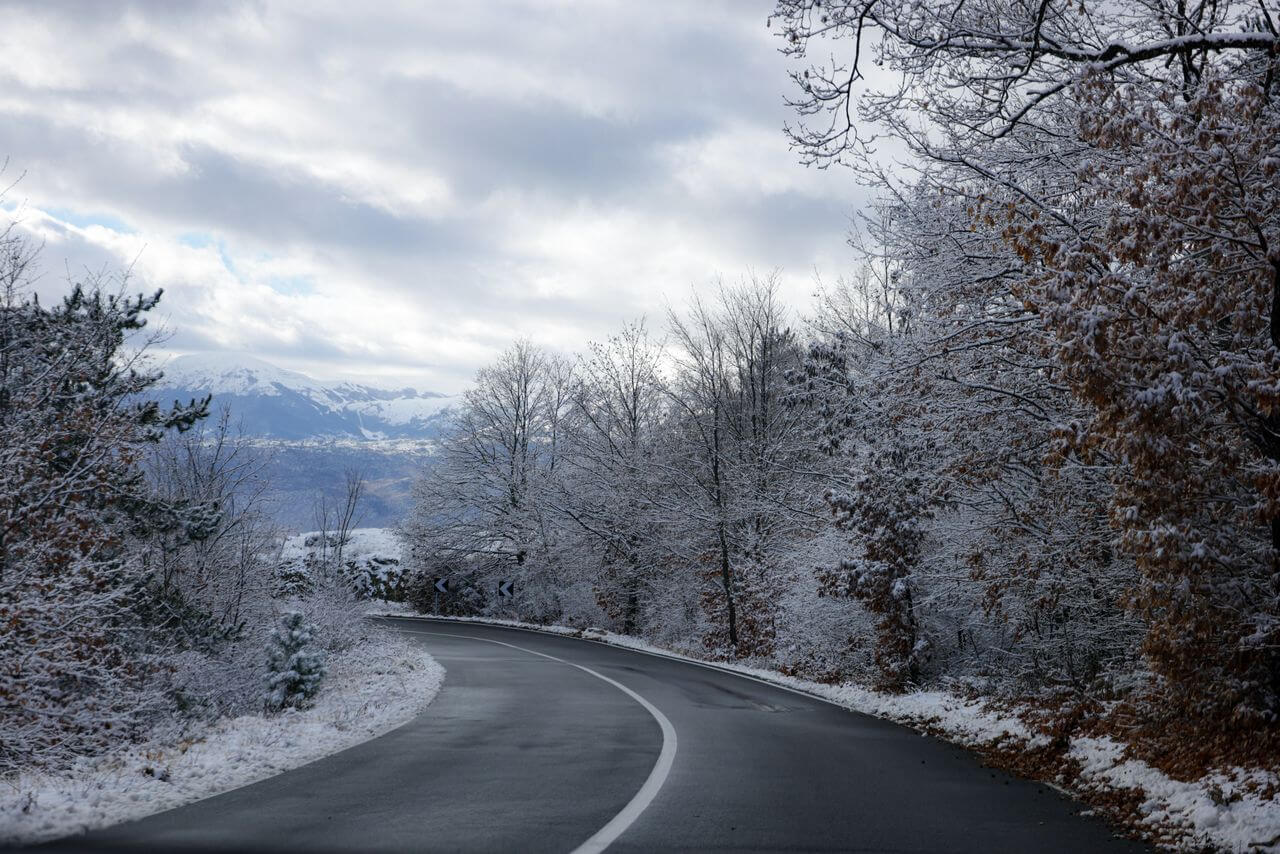
Nebraska winters can bring freezing temperatures, snow, ice, and changing road conditions. Whether you're commuting to work, running errands around Plattsmouth, or heading out on a longer winter drive, keeping an emergency kit in your vehicle can help you stay prepared when conditions take an unexpected turn. So, what should you keep in your car during a Nebraska winter? Here are some of the most important items to have on hand. 1. Ice Scraper and Snow Brush Keep a sturdy ice scraper and snow brush in your vehicle all winter. Clearing snow and ice from your windows, mirrors, lights, and roof before driving helps improve visibility and safety. 2. Blankets or Extra Warm Clothing If you become stranded or your vehicle won't start, temperatures can drop quickly. Pack a warm blanket, coat, gloves, hat, and extra socks. These items take up little space but can make a big difference if you have to wait for assistance. 3. Flashlight and Extra Batteries A flashlight can be extremely useful if you experience vehicle trouble after dark. Keep extra batteries with it, or consider a rechargeable flashlight and make sure it stays charged. 4. Jumper Cables or a Portable Jump Starter Cold temperatures can be hard on vehicle batteries. Jumper cables are a useful addition to any emergency kit, while a portable jump starter can provide another option if another vehicle isn't available. 5. First-Aid Kit A basic first-aid kit should include items such as adhesive bandages, gauze, antiseptic wipes, medical tape, and disposable gloves. Check your kit periodically and replace anything that has expired or been used. 6. Water and Nonperishable Snacks If you become stranded for an extended period, having drinking water and shelf-stable snacks available can help. Choose items that can tolerate being stored in your vehicle and replace them periodically. 7. Phone Charger or Power Bank Your phone can be an important tool for contacting family, emergency services, or roadside assistance. Keep a vehicle charger or fully charged power bank available so you aren't relying on a nearly empty phone battery. 8. Basic Emergency and Traction Supplies Consider keeping a small shovel, reflective warning triangles, work gloves, and traction material such as kitty litter or sand in your vehicle. These supplies can be particularly helpful if your vehicle gets stuck or you need to make yourself more visible to other drivers. 9. Tire-Related Supplies Winter driving makes properly maintained tires especially important. Keep your tire pressure at the manufacturer's recommended level and inspect your tires regularly. An emergency kit can also include a tire pressure gauge. If your vehicle is equipped with a spare tire, make sure you know where it is and periodically check that it is properly inflated. 10. Keep Your Fuel Tank From Getting Too Low One of the simplest ways to prepare for winter travel is to avoid letting your fuel level get extremely low, particularly before longer trips or when severe weather is expected. A sufficient fuel level can help give you more options if traffic slows or you encounter an unexpected delay. What Else Should You Do Before Winter Driving in Nebraska? An emergency kit is only part of winter preparation. Before the coldest part of the season, have your vehicle inspected and make sure important systems are ready for winter conditions. Pay particular attention to: Battery condition Tire pressure and tread Engine coolant Windshield washer fluid Wiper blades Lights Brakes Heating and defrosting systems It's also a good idea to check the weather and road conditions before leaving and let someone know your plans when traveling during severe winter weather. Be Prepared for Nebraska Winter Roads A little preparation can go a long way when winter weather arrives. Keeping a well-stocked emergency kit in your vehicle gives you useful supplies if you encounter a dead battery, get stuck in snow, or experience an unexpected delay. If your vehicle needs a winter inspection or service, the team at Janssen Kuenle CDJR of Plattsmouth is here to help keep you ready for the road. Schedule your next service visit and make sure your vehicle is prepared for the Nebraska winter ahead.

Nebraska

What Does the Check Engine Light Mean? 7 Things Nebraska Drivers Should Know.

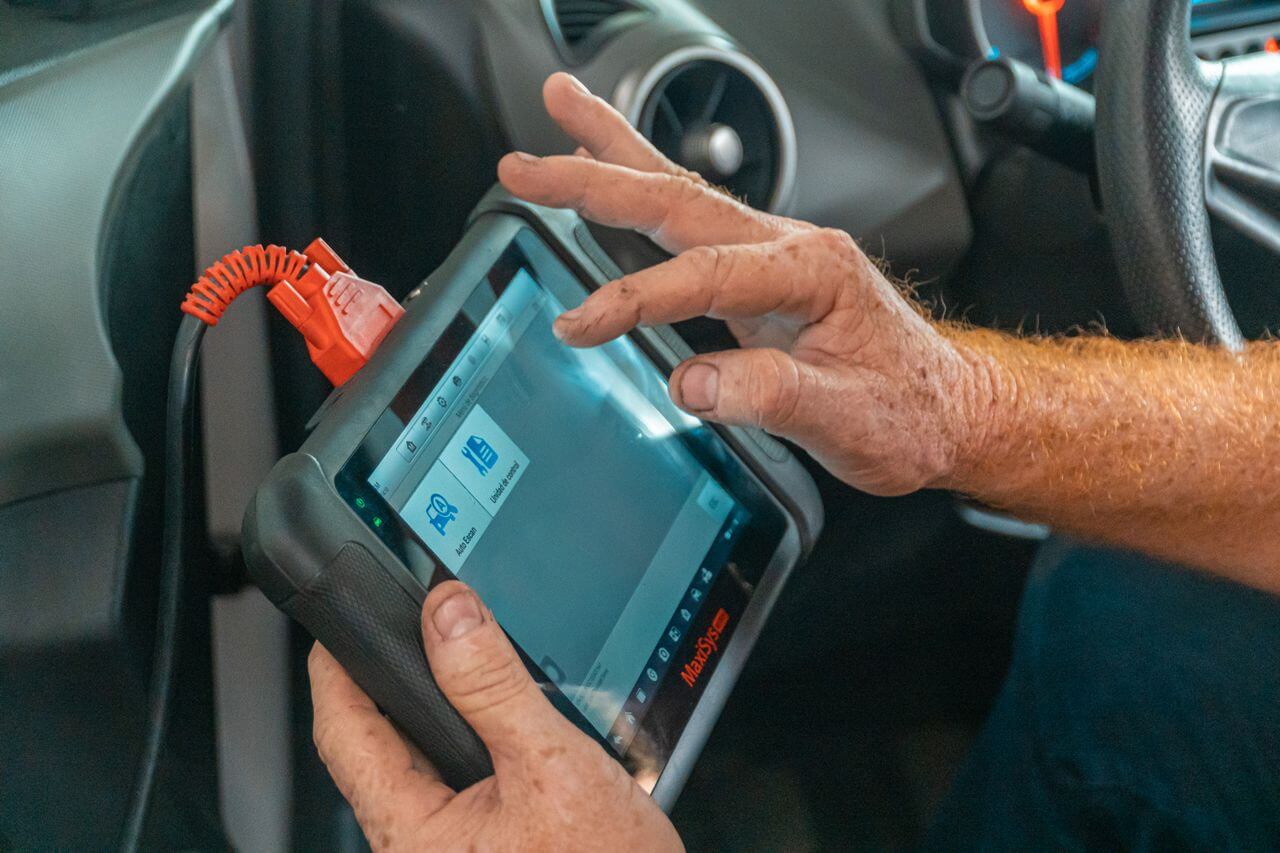
When your check engine light comes on, it can be difficult to know whether you need to stop driving immediately or simply schedule a service appointment. The answer depends on what the light looks like and how your vehicle is running. A check engine light means your vehicle's onboard diagnostic system has detected a potential problem. It could be something minor, such as a loose gas cap, or something that requires immediate attention. Solid vs. Flashing Check Engine Light A solid check engine light usually means your vehicle has detected a problem that should be diagnosed. If your vehicle is driving normally, you can typically drive it to a service department, but don't ignore the warning. A flashing check engine light is more serious. It can indicate an engine misfire or another condition that could cause additional damage. If the light is flashing and your vehicle is shaking, losing power, running poorly, or making unusual noises, pull over safely and have it inspected as soon as possible. 7 Common Reasons Your Check Engine Light Comes On Some of the most common causes include: Loose or damaged gas cap – A loose gas cap can trigger an emissions warning. Worn spark plugs – Faulty spark plugs can cause misfires and poor engine performance. Oxygen sensor problems – A failing sensor can affect fuel economy and emissions. Emissions-system issues – Your vehicle has several components designed to control emissions, and a fault can trigger the light. Ignition problems – Issues with ignition coils or related components can cause engine misfires. Catalytic converter problems – A failing catalytic converter can affect emissions and vehicle performance. Faulty sensors or electrical components – Modern vehicles depend on numerous sensors to monitor engine operation. Can You Drive With the Check Engine Light On? If the light is solid and your vehicle is running normally, you can often drive a short distance to have the problem diagnosed. However, continuing to drive indefinitely without finding the cause can turn a small problem into a larger—and potentially more expensive—repair. If the light is flashing, don't assume it's safe to continue driving. A flashing warning can indicate a serious engine issue. Nebraska drivers should also consider their driving habits. Long commutes, rural roads, gravel roads, and extended highway trips can make it especially important to address warning lights before you're far from home. What Should You Do When the Light Comes On? First, check whether the light is solid or flashing. Then pay attention to how your vehicle is behaving. If you notice rough idling, shaking, reduced power, poor fuel economy, unusual smells or noises, difficulty starting, or smoke, have the vehicle inspected promptly. If the vehicle seems to be running normally and the light is solid, schedule a diagnostic check to find out what's causing the warning. Check Engine Light FAQs Can a check engine light turn off by itself? Yes. A temporary issue can sometimes cause the light to turn off, but that doesn't necessarily mean the underlying problem is fixed. Is the check engine light the same as a maintenance light? No. A maintenance reminder indicates routine service may be due. A check engine light means the vehicle's diagnostic system has detected a potential problem. What does a flashing check engine light mean? It can indicate a serious issue, such as an engine misfire. Have the vehicle inspected promptly. How long can I drive with the check engine light on? There is no universal time or mileage limit. It depends on what's causing the light and how the vehicle is performing. Don't Ignore Your Check Engine Light A check engine light doesn't always mean an expensive repair, but it's a warning worth taking seriously. Getting the problem diagnosed early can help prevent additional damage and keep your vehicle running reliably. If your check engine light is on, contact Janssen Auto Group's service team to schedule a diagnostic inspection and find out what your vehicle needs.