
Looking for ways to get better gas mileage? You don't necessarily need a new vehicle to improve your fuel economy. Simple changes to the way you drive, maintain, and use your vehicle can help you get more miles out of every tank.
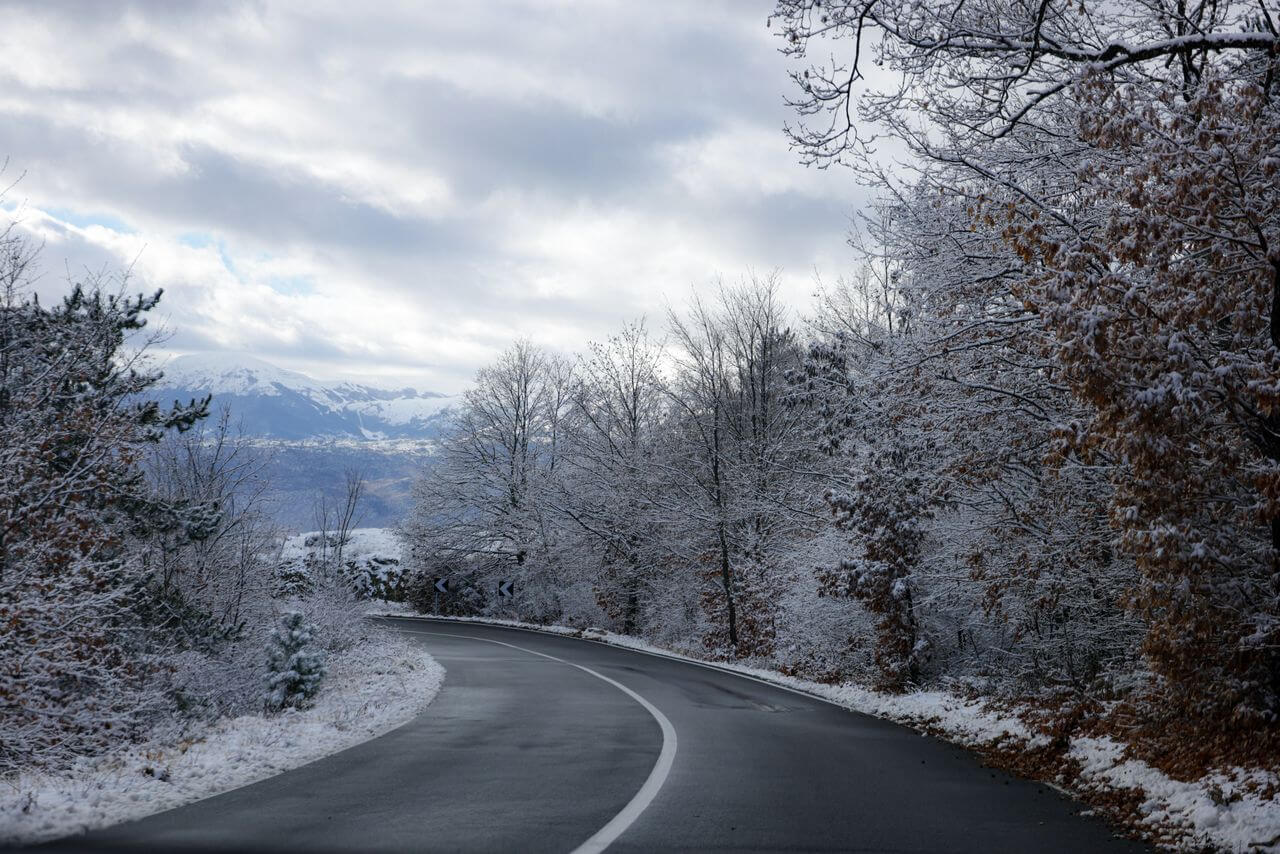
For Nebraska drivers, long highway trips, rural roads, changing weather, and everyday commuting can all affect fuel economy. Here are 10 practical ways to improve your gas mileage.
1. Drive Smoothly
Rapid acceleration, hard braking, and aggressive driving can significantly reduce fuel economy. The U.S. Department of Energy estimates aggressive driving can lower gas mileage by 15% to 30% at highway speeds and 10% to 40% in stop-and-go traffic.
Accelerate gradually, anticipate stops, and maintain a consistent speed whenever traffic and road conditions allow.
2. Check Your Tire Pressure
Properly inflated tires can help your vehicle roll more efficiently. The Department of Energy reports that properly inflated tires can improve fuel economy by about 0.6% on average and up to 3%.
Check your tire pressure regularly, especially when temperatures change. Use the pressure listed on the driver's door-jamb label or in your owner's manual—not the maximum pressure printed on the tire.
3. Watch Your Highway Speed
Fuel economy generally decreases as speed increases, particularly at higher highway speeds. You don't need to drive below the speed limit to save fuel; simply avoid unnecessary speeding and maintain a steady, legal speed.
This can make a difference for Nebraska drivers who regularly travel long distances on I-80 and other highways.
4. Avoid Unnecessary Idling
An idling vehicle uses fuel even though you're not going anywhere. The Department of Energy estimates an idling vehicle can consume roughly a quarter to a half gallon of fuel per hour, depending on the engine and conditions.
If you're parked and don't need the engine running, shut it off.
5. Use Cruise Control on Long Trips
When traffic and road conditions are appropriate, cruise control can help maintain a consistent speed and reduce unnecessary acceleration and deceleration.
It's especially useful on long highway drives, but avoid cruise control when roads are slippery or conditions require frequent speed changes.
6. Remove Extra Weight and Cargo
The more weight your vehicle carries, the more energy it needs to move. Remove unnecessary items from your trunk, cargo area, or truck bed.
The same applies to roof racks and cargo boxes. Exterior cargo increases aerodynamic drag, particularly at highway speeds. If you aren't using a roof-mounted accessory, consider removing it.
7. Combine Your Errands
Several short trips can use more fuel than one longer trip because your engine consumes additional fuel while warming up. When possible, combine errands into a single trip. Planning your route can save both fuel and time.
8. Keep Up With Maintenance
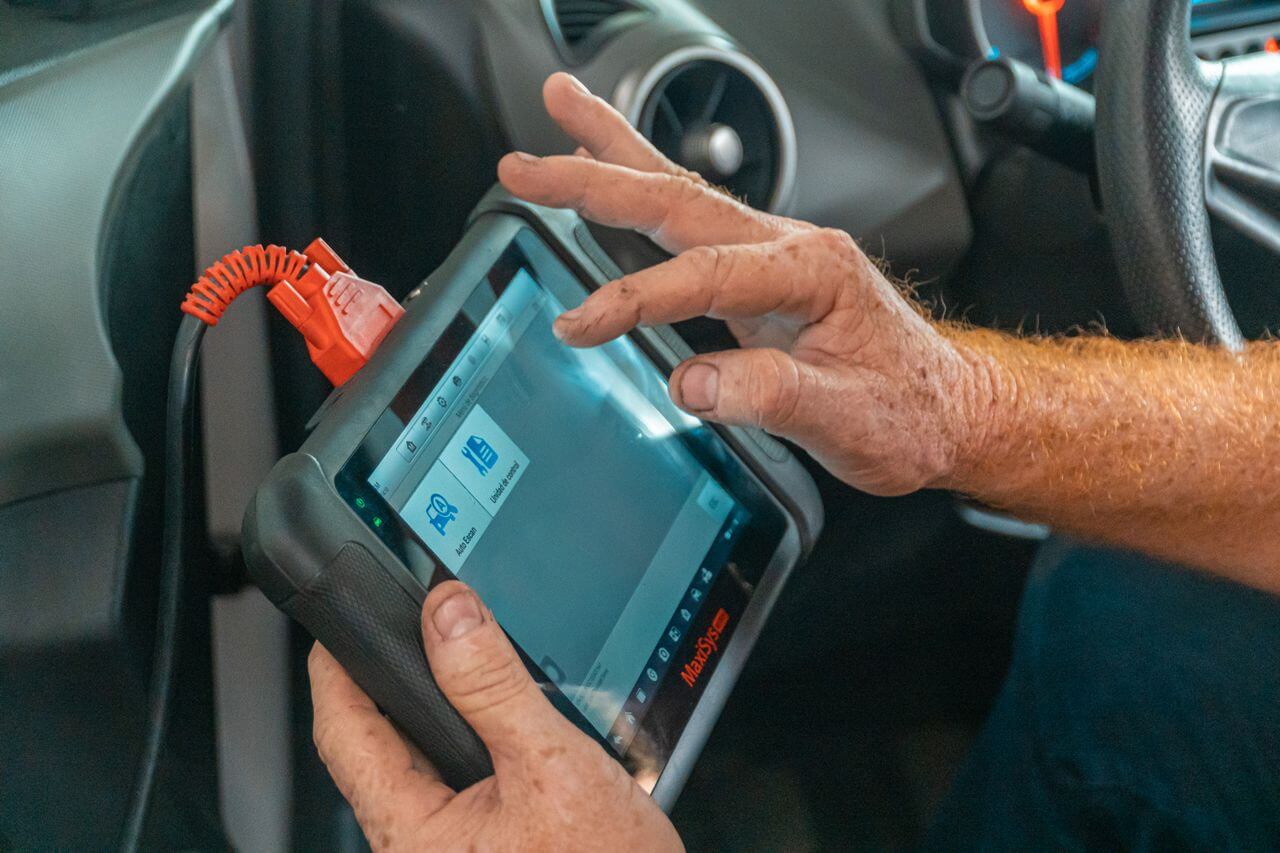
Routine maintenance helps your vehicle operate as efficiently as possible. Keep an eye on tire pressure, follow the manufacturer's maintenance schedule, and address warning lights or changes in vehicle performance promptly.
If your gas mileage suddenly drops, a maintenance issue could be part of the problem.
9. Track Your MPG
Want to know whether you're actually improving your fuel economy? Track it.
Fill your tank, reset your trip odometer, and record the number of miles driven before your next fill-up. Divide the miles driven by the gallons needed to refill the tank.
For example, 360 miles divided by 12 gallons equals 30 MPG.
Tracking several tanks will give you a better picture of your vehicle's typical fuel economy.
10. Choose a Vehicle That Fits Your Needs
Sometimes the best way to improve fuel economy is to choose a vehicle designed for the way you drive.
If you primarily commute and travel on highways, a fuel-efficient car or crossover may make sense. If you regularly tow or haul, a truck or SUV may be the better choice.
Janssen Auto Group offers a variety of cars, trucks, and SUVs for Nebraska drivers, so you can compare vehicles based on fuel economy, capability, size, and features.
How Can I Get Better Gas Mileage?
Start with the basics: drive smoothly, maintain proper tire pressure, avoid unnecessary idling, watch your highway speed, remove unnecessary cargo, and keep up with routine maintenance.
Small changes can add up over thousands of miles, particularly for Nebraska drivers who spend a lot of time on the road.
If you're considering a more fuel-efficient vehicle, explore the current inventory at Janssen Auto Group and find a vehicle that fits the way you drive.