

Janssen Auto Group

Blog

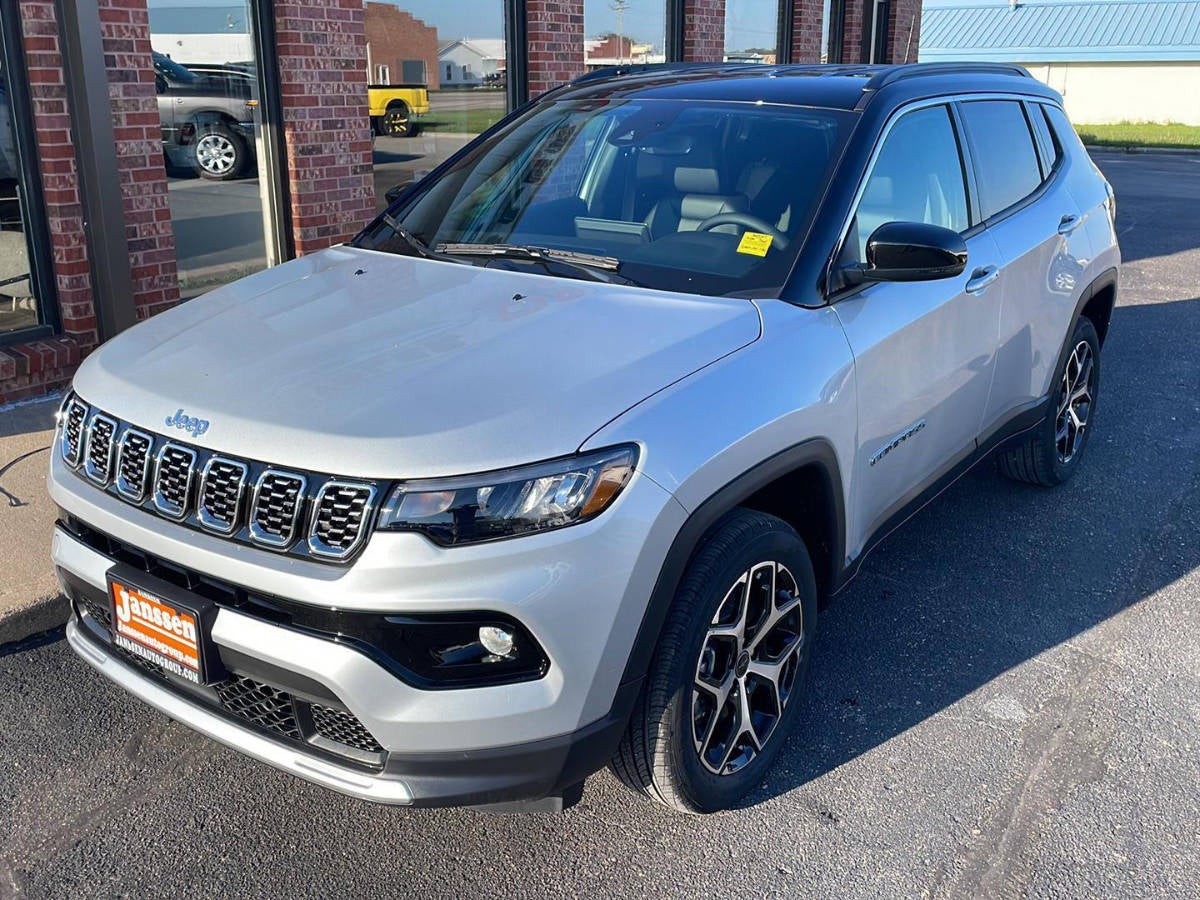
Leasing or Financing? Which is better?

may-2026-leasing-financing

There are two types of people that walk into a dealership.

The first prefers the lowest monthly payment possible.
The second prefers to own a vehicle outright.

Both are sensible choices, there is no wrong answer, both can be right.

The trouble begins when shoppers compare leasing and financing as if one is "good" and the other is "bad". That's just not the case. The real question is this: "Which one fits the actual way you live?"


Why So Many Drivers in Nebraska Choose Leasing.

Leasing is a popular choice in Nebraska for one simple reason, people like driving newer vehicles.

They like the new car smell, the state-of-the-art technology, the warranty coverage, and the confidence that comes from knowing they are unlikely to face an expensive repair bill next week.

With a lease, you are essentially paying for the portion of the vehicle you use during a set period of time... usually, two or three years.

That often means benefits such as:

  • Lower monthly payments
  • Less money due upfront
  • Access to a higher trim level or newer model
  • Easier upgrades every few years

A customer who could comfortably finance a mid-level sedan may be able to lease a luxury SUV for a similar monthly payment.

That's not a loophole, it's just simply how depreciation works.

And for many people, leasing makes perfect sense.

  • Drive moderate miles
  • Prefer newer vehicles
  • Want predictable costs
  • Enjoy upgrading often
  • Use your vehicle for business purposes.

...leasing can be remarkably efficient.

Particularly if you are the sort of person who gets restless driving the same vehicle for seven years.


The Hidden Advantages Of Financing in Nebraska.

Now, let's talk about ownership.

There is something deeply satisfying about making the final payment on a vehicle and knowing it belongs entirely to you.

No mileage restrictions, no lease-end inspections, no monthly payments once the loan is finished.

Financing is slower gratification, but often greater long-term value.

When you finance a vehicle, every payment builds equity. Eventually, you own an asset you can trade, sell, or continue driving payment-free.

That changes the economics dramatically.

The person who finances a vehicle and keeps it for ten years will usually spend less over time than the person who leases continuously.

Why? Because eventually the financed vehicle gets very inexpensive to own. And that is where financially disciplined buyers often win.


So Which Is Better?

The honest answer is this: Leasing is better for some people. Financing is better for others.

The mistake is choosing emotionally instead of strategically.
Here is a useful rule of thumb:

Leasing may be smarter if you:

  • Love new technology and features
  • Want lower monthly payments
  • Drive fewer miles annually
  • Prefer warranty coverage
  • Like changing vehicles frequently

Financing may be smarter if you:

  • Drive a lot
  • Plan to keep the vehicle long-term
  • Want to build equity
  • Prefer complete ownership
  • Dislike ongoing monthly obligations

Neither choice is automatically “the better deal.” The better deal is the one aligned with your habits.


The Question Most Buyers Forget to Ask

Too many shoppers focus exclusively on the monthly payment.

Experienced buyers look at something else:

How long will I realistically keep this vehicle?

If the answer is two or three years, leasing deserves serious consideration.

If the answer is eight years, financing usually makes more sense.


Nebraska customers do not want pressure. They want clarity.

At a Janssen Auto Group dealership, you'll find clarity. The right dealership does not push every customer toward leasing or financing. It helps them understand the tradeoffs clearly enough to make the right decision for themselves. And when that happens, everybody wins.

If you're in the market to upgrade your vehicle. Fill out our trade appraisal form and we will contact you back.
Recommended Posts

How to Get Better Gas Mileage: 10 Tips for Nebraska Drivers

Looking for ways to get better gas mileage? You don't necessarily need a new vehicle to improve your fuel economy. Simple changes to the way you drive, maintain, and use your vehicle can help you get more miles out of every tank. For Nebraska drivers, long highway trips, rural roads, changing weather, and everyday commuting can all affect fuel economy. Here are 10 practical ways to improve your gas mileage. 1. Drive Smoothly Rapid acceleration, hard braking, and aggressive driving can significantly reduce fuel economy. The U.S. Department of Energy estimates aggressive driving can lower gas mileage by 15% to 30% at highway speeds and 10% to 40% in stop-and-go traffic. Accelerate gradually, anticipate stops, and maintain a consistent speed whenever traffic and road conditions allow. 2. Check Your Tire Pressure Properly inflated tires can help your vehicle roll more efficiently. The Department of Energy reports that properly inflated tires can improve fuel economy by about 0.6% on average and up to 3%. Check your tire pressure regularly, especially when temperatures change. Use the pressure listed on the driver's door-jamb label or in your owner's manual—not the maximum pressure printed on the tire. 3. Watch Your Highway Speed Fuel economy generally decreases as speed increases, particularly at higher highway speeds. You don't need to drive below the speed limit to save fuel; simply avoid unnecessary speeding and maintain a steady, legal speed. This can make a difference for Nebraska drivers who regularly travel long distances on I-80 and other highways. 4. Avoid Unnecessary Idling An idling vehicle uses fuel even though you're not going anywhere. The Department of Energy estimates an idling vehicle can consume roughly a quarter to a half gallon of fuel per hour, depending on the engine and conditions. If you're parked and don't need the engine running, shut it off. 5. Use Cruise Control on Long Trips When traffic and road conditions are appropriate, cruise control can help maintain a consistent speed and reduce unnecessary acceleration and deceleration. It's especially useful on long highway drives, but avoid cruise control when roads are slippery or conditions require frequent speed changes. 6. Remove Extra Weight and Cargo The more weight your vehicle carries, the more energy it needs to move. Remove unnecessary items from your trunk, cargo area, or truck bed. The same applies to roof racks and cargo boxes. Exterior cargo increases aerodynamic drag, particularly at highway speeds. If you aren't using a roof-mounted accessory, consider removing it. 7. Combine Your Errands Several short trips can use more fuel than one longer trip because your engine consumes additional fuel while warming up. When possible, combine errands into a single trip. Planning your route can save both fuel and time. 8. Keep Up With Maintenance Routine maintenance helps your vehicle operate as efficiently as possible. Keep an eye on tire pressure, follow the manufacturer's maintenance schedule, and address warning lights or changes in vehicle performance promptly. If your gas mileage suddenly drops, a maintenance issue could be part of the problem. 9. Track Your MPG Want to know whether you're actually improving your fuel economy? Track it. Fill your tank, reset your trip odometer, and record the number of miles driven before your next fill-up. Divide the miles driven by the gallons needed to refill the tank. For example, 360 miles divided by 12 gallons equals 30 MPG. Tracking several tanks will give you a better picture of your vehicle's typical fuel economy. 10. Choose a Vehicle That Fits Your Needs Sometimes the best way to improve fuel economy is to choose a vehicle designed for the way you drive. If you primarily commute and travel on highways, a fuel-efficient car or crossover may make sense. If you regularly tow or haul, a truck or SUV may be the better choice. Janssen Auto Group offers a variety of cars, trucks, and SUVs for Nebraska drivers, so you can compare vehicles based on fuel economy, capability, size, and features. How Can I Get Better Gas Mileage? Start with the basics: drive smoothly, maintain proper tire pressure, avoid unnecessary idling, watch your highway speed, remove unnecessary cargo, and keep up with routine maintenance. Small changes can add up over thousands of miles, particularly for Nebraska drivers who spend a lot of time on the road. If you're considering a more fuel-efficient vehicle, explore the current inventory at Janssen Auto Group and find a vehicle that fits the way you drive.

Nebraska

What Should You Keep in Your Vehicle for Nebraska Winter? A Complete Emergency Kit Guide.

Nebraska winters can bring freezing temperatures, snow, ice, and changing road conditions. Whether you're commuting to work, running errands around Plattsmouth, or heading out on a longer winter drive, keeping an emergency kit in your vehicle can help you stay prepared when conditions take an unexpected turn. So, what should you keep in your car during a Nebraska winter? Here are some of the most important items to have on hand. 1. Ice Scraper and Snow Brush Keep a sturdy ice scraper and snow brush in your vehicle all winter. Clearing snow and ice from your windows, mirrors, lights, and roof before driving helps improve visibility and safety. 2. Blankets or Extra Warm Clothing If you become stranded or your vehicle won't start, temperatures can drop quickly. Pack a warm blanket, coat, gloves, hat, and extra socks. These items take up little space but can make a big difference if you have to wait for assistance. 3. Flashlight and Extra Batteries A flashlight can be extremely useful if you experience vehicle trouble after dark. Keep extra batteries with it, or consider a rechargeable flashlight and make sure it stays charged. 4. Jumper Cables or a Portable Jump Starter Cold temperatures can be hard on vehicle batteries. Jumper cables are a useful addition to any emergency kit, while a portable jump starter can provide another option if another vehicle isn't available. 5. First-Aid Kit A basic first-aid kit should include items such as adhesive bandages, gauze, antiseptic wipes, medical tape, and disposable gloves. Check your kit periodically and replace anything that has expired or been used. 6. Water and Nonperishable Snacks If you become stranded for an extended period, having drinking water and shelf-stable snacks available can help. Choose items that can tolerate being stored in your vehicle and replace them periodically. 7. Phone Charger or Power Bank Your phone can be an important tool for contacting family, emergency services, or roadside assistance. Keep a vehicle charger or fully charged power bank available so you aren't relying on a nearly empty phone battery. 8. Basic Emergency and Traction Supplies Consider keeping a small shovel, reflective warning triangles, work gloves, and traction material such as kitty litter or sand in your vehicle. These supplies can be particularly helpful if your vehicle gets stuck or you need to make yourself more visible to other drivers. 9. Tire-Related Supplies Winter driving makes properly maintained tires especially important. Keep your tire pressure at the manufacturer's recommended level and inspect your tires regularly. An emergency kit can also include a tire pressure gauge. If your vehicle is equipped with a spare tire, make sure you know where it is and periodically check that it is properly inflated. 10. Keep Your Fuel Tank From Getting Too Low One of the simplest ways to prepare for winter travel is to avoid letting your fuel level get extremely low, particularly before longer trips or when severe weather is expected. A sufficient fuel level can help give you more options if traffic slows or you encounter an unexpected delay. What Else Should You Do Before Winter Driving in Nebraska? An emergency kit is only part of winter preparation. Before the coldest part of the season, have your vehicle inspected and make sure important systems are ready for winter conditions. Pay particular attention to: Battery condition Tire pressure and tread Engine coolant Windshield washer fluid Wiper blades Lights Brakes Heating and defrosting systems It's also a good idea to check the weather and road conditions before leaving and let someone know your plans when traveling during severe winter weather. Be Prepared for Nebraska Winter Roads A little preparation can go a long way when winter weather arrives. Keeping a well-stocked emergency kit in your vehicle gives you useful supplies if you encounter a dead battery, get stuck in snow, or experience an unexpected delay. If your vehicle needs a winter inspection or service, the team at Janssen Kuenle CDJR of Plattsmouth is here to help keep you ready for the road. Schedule your next service visit and make sure your vehicle is prepared for the Nebraska winter ahead.

Nebraska

What Does the Check Engine Light Mean? 7 Things Nebraska Drivers Should Know.

When your check engine light comes on, it can be difficult to know whether you need to stop driving immediately or simply schedule a service appointment. The answer depends on what the light looks like and how your vehicle is running. A check engine light means your vehicle's onboard diagnostic system has detected a potential problem. It could be something minor, such as a loose gas cap, or something that requires immediate attention. Solid vs. Flashing Check Engine Light A solid check engine light usually means your vehicle has detected a problem that should be diagnosed. If your vehicle is driving normally, you can typically drive it to a service department, but don't ignore the warning. A flashing check engine light is more serious. It can indicate an engine misfire or another condition that could cause additional damage. If the light is flashing and your vehicle is shaking, losing power, running poorly, or making unusual noises, pull over safely and have it inspected as soon as possible. 7 Common Reasons Your Check Engine Light Comes On Some of the most common causes include: Loose or damaged gas cap – A loose gas cap can trigger an emissions warning. Worn spark plugs – Faulty spark plugs can cause misfires and poor engine performance. Oxygen sensor problems – A failing sensor can affect fuel economy and emissions. Emissions-system issues – Your vehicle has several components designed to control emissions, and a fault can trigger the light. Ignition problems – Issues with ignition coils or related components can cause engine misfires. Catalytic converter problems – A failing catalytic converter can affect emissions and vehicle performance. Faulty sensors or electrical components – Modern vehicles depend on numerous sensors to monitor engine operation. Can You Drive With the Check Engine Light On? If the light is solid and your vehicle is running normally, you can often drive a short distance to have the problem diagnosed. However, continuing to drive indefinitely without finding the cause can turn a small problem into a larger—and potentially more expensive—repair. If the light is flashing, don't assume it's safe to continue driving. A flashing warning can indicate a serious engine issue. Nebraska drivers should also consider their driving habits. Long commutes, rural roads, gravel roads, and extended highway trips can make it especially important to address warning lights before you're far from home. What Should You Do When the Light Comes On? First, check whether the light is solid or flashing. Then pay attention to how your vehicle is behaving. If you notice rough idling, shaking, reduced power, poor fuel economy, unusual smells or noises, difficulty starting, or smoke, have the vehicle inspected promptly. If the vehicle seems to be running normally and the light is solid, schedule a diagnostic check to find out what's causing the warning. Check Engine Light FAQs Can a check engine light turn off by itself? Yes. A temporary issue can sometimes cause the light to turn off, but that doesn't necessarily mean the underlying problem is fixed. Is the check engine light the same as a maintenance light? No. A maintenance reminder indicates routine service may be due. A check engine light means the vehicle's diagnostic system has detected a potential problem. What does a flashing check engine light mean? It can indicate a serious issue, such as an engine misfire. Have the vehicle inspected promptly. How long can I drive with the check engine light on? There is no universal time or mileage limit. It depends on what's causing the light and how the vehicle is performing. Don't Ignore Your Check Engine Light A check engine light doesn't always mean an expensive repair, but it's a warning worth taking seriously. Getting the problem diagnosed early can help prevent additional damage and keep your vehicle running reliably. If your check engine light is on, contact Janssen Auto Group's service team to schedule a diagnostic inspection and find out what your vehicle needs.