

Janssen Auto Group

Blog

Gas, Diesel, Hybrid, or Electric? Understanding Your Vehicle Options in Nebraska

When shopping for a new or used vehicle, one of the biggest decisions you'll make is choosing the type of powertrain that best fits your lifestyle. Today's drivers have more options than ever, including traditional gasoline vehicles, diesel-powered trucks, hybrids, plug-in hybrids, and fully electric vehicles (EVs).

At Janssen Auto Group of Nebraska, we help drivers throughout Nebraska find vehicles that match their driving habits, budget, and performance needs. Understanding the differences between vehicle types can help you make a confident and informed decision.


Gasoline Vehicles

Gas-powered vehicles remain the most common choice for drivers across the United States. They use an internal combustion engine fueled by gasoline and are available in nearly every vehicle segment, from compact cars to full-size SUVs and trucks.

Advantages of Gas Vehicles

  • Widely available throughout Nebraska and the U.S.
  • Familiar technology with straightforward maintenance
  • Large selection of makes and models

Best For

Gasoline vehicles are ideal for drivers who want affordability, convenience, and a wide variety of vehicle choices.


Diesel Vehicles

Diesel engines are known for their durability, fuel efficiency, and towing capability. They are especially popular in heavy-duty trucks and commercial applications.

Advantages of Diesel Vehicles

  • Excellent towing and hauling performance
  • Better fuel economy than many gasoline-powered trucks
  • Long engine lifespan when properly maintained
  • Strong low-end torque for demanding workloads

Best For

Diesel vehicles are often the preferred choice for Nebraska farmers, ranchers, contractors, and drivers who regularly tow trailers, equipment, or recreational vehicles.


Hybrid Vehicles

Hybrid vehicles combine a gasoline engine with an electric motor and battery system. The vehicle automatically switches between power sources to maximize efficiency.

Unlike electric vehicles, hybrids do not require charging from an external power source.

Advantages of Hybrid Vehicles

  • Excellent fuel economy
  • Lower emissions than traditional gas vehicles
  • No charging infrastructure required
  • Reduced fuel costs for daily commuting

Best For

Hybrids are an excellent choice for Nebraska drivers who want better fuel efficiency while maintaining the convenience of a traditional vehicle.


Plug-In Hybrid Vehicles (PHEVs)

Plug-in hybrid electric vehicles offer the benefits of both electric and gasoline power. Unlike standard hybrids, PHEVs can be charged using an external power source and often provide a significant all-electric driving range.

Advantages of Plug-In Hybrids

  • Ability to drive short distances using electricity alone
  • Reduced fuel consumption
  • No range anxiety associated with fully electric vehicles
  • Flexibility for both local commuting and long-distance travel

Best For

Plug-in hybrids work well for drivers who have a daily commute but occasionally travel longer distances throughout Nebraska and neighboring states.


Electric Vehicles (EVs)

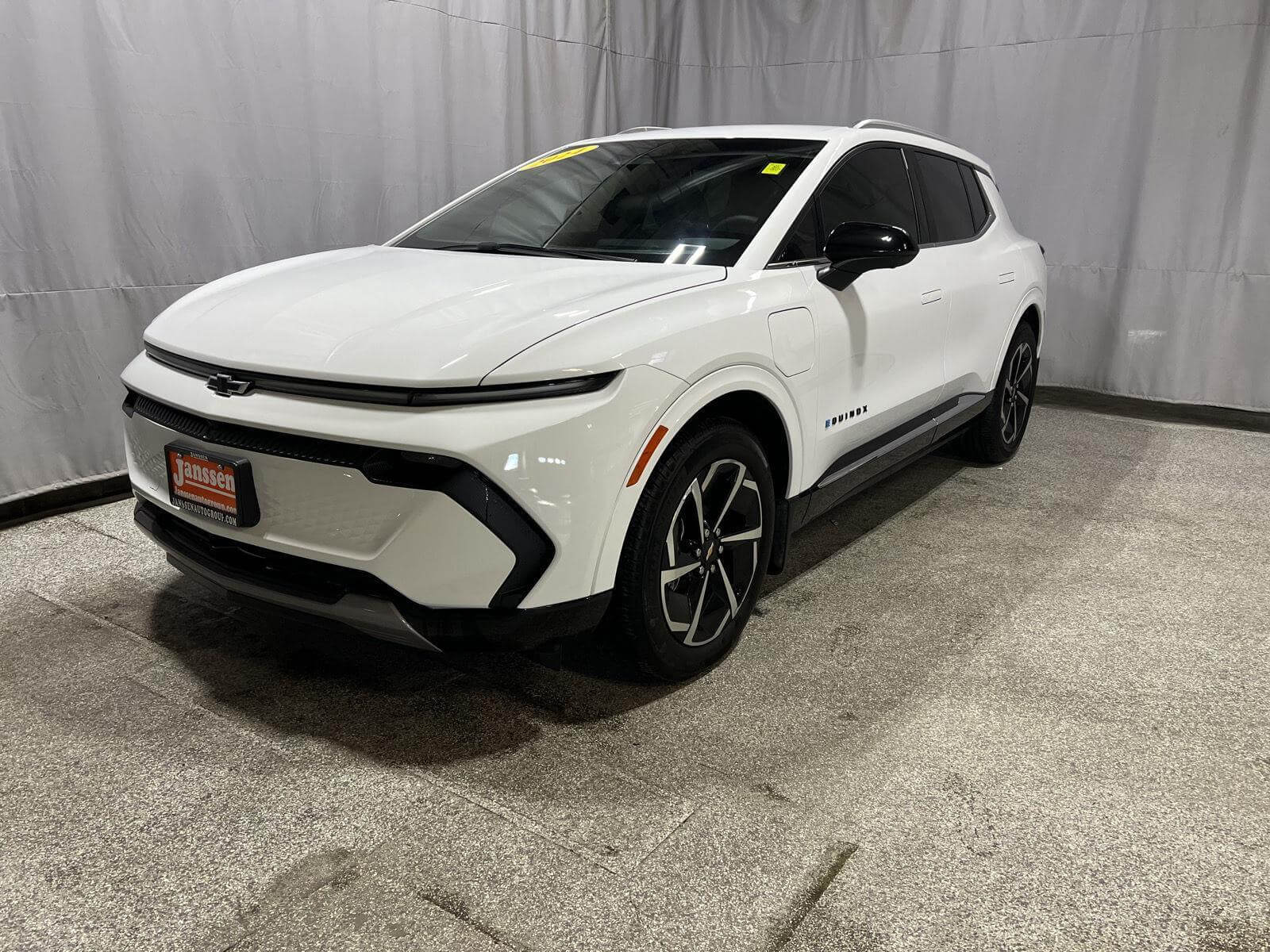
Electric vehicles operate entirely on battery power and produce zero tailpipe emissions. As charging infrastructure continues to expand, EVs are becoming increasingly popular among drivers looking for lower operating costs and advanced technology.

Advantages of Electric Vehicles

  • No gasoline required
  • Lower maintenance costs due to fewer moving parts
  • Instant acceleration and smooth performance
  • Potential savings on fuel and maintenance

Best For

Electric vehicles are ideal for drivers with predictable daily commutes and access to home or workplace charging.


Which Vehicle Type Is Best for Nebraska Drivers?

The right choice depends on how you use your vehicle.

Choose a Gas Vehicle If:

  • You want the lowest upfront cost.
  • You frequently travel long distances.
  • You value convenience and widespread fueling options.

Choose a Diesel Vehicle If:

  • You regularly tow heavy loads.
  • You need maximum torque and durability.
  • Your vehicle is used for work, agriculture, or commercial purposes.

Choose a Hybrid If:

  • You want better fuel economy without changing your driving habits.
  • You primarily drive in town or commute daily.

Choose a Plug-In Hybrid If:

  • You want electric driving capability without giving up gasoline backup.
  • You have access to charging at home.

Choose an Electric Vehicle If:

  • You want to eliminate fuel expenses.
  • You have reliable charging access.
  • You are looking for the latest automotive technology and lower maintenance costs.

Visit Janssen Auto Group of Nebraska

Whether you're interested in a fuel-efficient hybrid, a capable diesel truck, a traditional gasoline SUV, or the latest electric vehicle technology, Janssen Auto Group of Nebraska can help you find the right fit.

Our experienced team can walk you through the benefits of each vehicle type, compare ownership costs, and help you choose a vehicle that meets your needs and budget.

Visit Janssen Auto Group of Nebraska today to explore our inventory and discover which vehicle is right for your lifestyle.

Recommended Posts

What Should You Keep in Your Vehicle for Nebraska Winter? A Complete Emergency Kit Guide.

Nebraska winters can bring freezing temperatures, snow, ice, and changing road conditions. Whether you're commuting to work, running errands around Plattsmouth, or heading out on a longer winter drive, keeping an emergency kit in your vehicle can help you stay prepared when conditions take an unexpected turn. So, what should you keep in your car during a Nebraska winter? Here are some of the most important items to have on hand. 1. Ice Scraper and Snow Brush Keep a sturdy ice scraper and snow brush in your vehicle all winter. Clearing snow and ice from your windows, mirrors, lights, and roof before driving helps improve visibility and safety. 2. Blankets or Extra Warm Clothing If you become stranded or your vehicle won't start, temperatures can drop quickly. Pack a warm blanket, coat, gloves, hat, and extra socks. These items take up little space but can make a big difference if you have to wait for assistance. 3. Flashlight and Extra Batteries A flashlight can be extremely useful if you experience vehicle trouble after dark. Keep extra batteries with it, or consider a rechargeable flashlight and make sure it stays charged. 4. Jumper Cables or a Portable Jump Starter Cold temperatures can be hard on vehicle batteries. Jumper cables are a useful addition to any emergency kit, while a portable jump starter can provide another option if another vehicle isn't available. 5. First-Aid Kit A basic first-aid kit should include items such as adhesive bandages, gauze, antiseptic wipes, medical tape, and disposable gloves. Check your kit periodically and replace anything that has expired or been used. 6. Water and Nonperishable Snacks If you become stranded for an extended period, having drinking water and shelf-stable snacks available can help. Choose items that can tolerate being stored in your vehicle and replace them periodically. 7. Phone Charger or Power Bank Your phone can be an important tool for contacting family, emergency services, or roadside assistance. Keep a vehicle charger or fully charged power bank available so you aren't relying on a nearly empty phone battery. 8. Basic Emergency and Traction Supplies Consider keeping a small shovel, reflective warning triangles, work gloves, and traction material such as kitty litter or sand in your vehicle. These supplies can be particularly helpful if your vehicle gets stuck or you need to make yourself more visible to other drivers. 9. Tire-Related Supplies Winter driving makes properly maintained tires especially important. Keep your tire pressure at the manufacturer's recommended level and inspect your tires regularly. An emergency kit can also include a tire pressure gauge. If your vehicle is equipped with a spare tire, make sure you know where it is and periodically check that it is properly inflated. 10. Keep Your Fuel Tank From Getting Too Low One of the simplest ways to prepare for winter travel is to avoid letting your fuel level get extremely low, particularly before longer trips or when severe weather is expected. A sufficient fuel level can help give you more options if traffic slows or you encounter an unexpected delay. What Else Should You Do Before Winter Driving in Nebraska? An emergency kit is only part of winter preparation. Before the coldest part of the season, have your vehicle inspected and make sure important systems are ready for winter conditions. Pay particular attention to: Battery condition Tire pressure and tread Engine coolant Windshield washer fluid Wiper blades Lights Brakes Heating and defrosting systems It's also a good idea to check the weather and road conditions before leaving and let someone know your plans when traveling during severe winter weather. Be Prepared for Nebraska Winter Roads A little preparation can go a long way when winter weather arrives. Keeping a well-stocked emergency kit in your vehicle gives you useful supplies if you encounter a dead battery, get stuck in snow, or experience an unexpected delay. If your vehicle needs a winter inspection or service, the team at Janssen Kuenle CDJR of Plattsmouth is here to help keep you ready for the road. Schedule your next service visit and make sure your vehicle is prepared for the Nebraska winter ahead.

What Does the Check Engine Light Mean? 7 Things Nebraska Drivers Should Know.

When your check engine light comes on, it can be difficult to know whether you need to stop driving immediately or simply schedule a service appointment. The answer depends on what the light looks like and how your vehicle is running. A check engine light means your vehicle's onboard diagnostic system has detected a potential problem. It could be something minor, such as a loose gas cap, or something that requires immediate attention. Solid vs. Flashing Check Engine Light A solid check engine light usually means your vehicle has detected a problem that should be diagnosed. If your vehicle is driving normally, you can typically drive it to a service department, but don't ignore the warning. A flashing check engine light is more serious. It can indicate an engine misfire or another condition that could cause additional damage. If the light is flashing and your vehicle is shaking, losing power, running poorly, or making unusual noises, pull over safely and have it inspected as soon as possible. 7 Common Reasons Your Check Engine Light Comes On Some of the most common causes include: Loose or damaged gas cap – A loose gas cap can trigger an emissions warning. Worn spark plugs – Faulty spark plugs can cause misfires and poor engine performance. Oxygen sensor problems – A failing sensor can affect fuel economy and emissions. Emissions-system issues – Your vehicle has several components designed to control emissions, and a fault can trigger the light. Ignition problems – Issues with ignition coils or related components can cause engine misfires. Catalytic converter problems – A failing catalytic converter can affect emissions and vehicle performance. Faulty sensors or electrical components – Modern vehicles depend on numerous sensors to monitor engine operation. Can You Drive With the Check Engine Light On? If the light is solid and your vehicle is running normally, you can often drive a short distance to have the problem diagnosed. However, continuing to drive indefinitely without finding the cause can turn a small problem into a larger—and potentially more expensive—repair. If the light is flashing, don't assume it's safe to continue driving. A flashing warning can indicate a serious engine issue. Nebraska drivers should also consider their driving habits. Long commutes, rural roads, gravel roads, and extended highway trips can make it especially important to address warning lights before you're far from home. What Should You Do When the Light Comes On? First, check whether the light is solid or flashing. Then pay attention to how your vehicle is behaving. If you notice rough idling, shaking, reduced power, poor fuel economy, unusual smells or noises, difficulty starting, or smoke, have the vehicle inspected promptly. If the vehicle seems to be running normally and the light is solid, schedule a diagnostic check to find out what's causing the warning. Check Engine Light FAQs Can a check engine light turn off by itself? Yes. A temporary issue can sometimes cause the light to turn off, but that doesn't necessarily mean the underlying problem is fixed. Is the check engine light the same as a maintenance light? No. A maintenance reminder indicates routine service may be due. A check engine light means the vehicle's diagnostic system has detected a potential problem. What does a flashing check engine light mean? It can indicate a serious issue, such as an engine misfire. Have the vehicle inspected promptly. How long can I drive with the check engine light on? There is no universal time or mileage limit. It depends on what's causing the light and how the vehicle is performing. Don't Ignore Your Check Engine Light A check engine light doesn't always mean an expensive repair, but it's a warning worth taking seriously. Getting the problem diagnosed early can help prevent additional damage and keep your vehicle running reliably. If your check engine light is on, contact Janssen Auto Group's service team to schedule a diagnostic inspection and find out what your vehicle needs.

Janssen Kuenle Chevrolet: A New Chapter for Chevrolet in Plattsmouth, Nebraska

Plattsmouth, NE — The Janssen Auto Group is proud to announce the acquisition of Gregg Young Chevrolet of Plattsmouth. The dealership will now operate as Janssen Kuenle Chevrolet, bringing a new chapter of local ownership, service, and customer care to the Plattsmouth community. Located in Plattsmouth, Nebraska, Janssen Kuenle Chevrolet will continue serving Chevrolet customers throughout Cass County and the surrounding communities, including Bellevue, Papillion, Omaha, La Vista, Louisville, Springfield, and Glenwood, Iowa. Your Local Chevrolet Dealership in Plattsmouth While the name is changing, customers can continue to count on a convenient local destination for their Chevrolet needs. Janssen Kuenle Chevrolet will offer a selection of new Chevrolet vehicles, used cars, trucks, and SUVs, along with Chevrolet service, maintenance, parts, and other automotive services. Whether you're shopping for a new Chevrolet Silverado, Equinox, Traverse, Tahoe, Trailblazer, Trax, or Blazer, looking for a dependable used vehicle, or bringing your current vehicle in for service, the team at Janssen Kuenle Chevrolet is here to help. Part of the Janssen Auto Group The acquisition brings Janssen Kuenle Chevrolet into the Janssen Auto Group family. With a focus on straightforward automotive experiences and long-term relationships with customers, the group is excited to become part of the Plattsmouth community. “Our goal is simple: to provide our customers with an exceptional dealership experience and to build lasting relationships in the communities we serve,” said the Janssen Auto Group team. “We’re excited to bring the Janssen name to Plattsmouth and look forward to serving Chevrolet drivers for years to come.” Proud to Serve Plattsmouth and the Surrounding Area Janssen Kuenle Chevrolet is committed to being a trusted Chevrolet dealer in Plattsmouth, NE. Whether you're a longtime Chevrolet owner or purchasing your first vehicle, our team looks forward to helping you find the right vehicle and providing the service and support you need throughout ownership. The Janssen Auto Group thanks current and future customers for welcoming Janssen Kuenle Chevrolet to the Plattsmouth area. We look forward to becoming your local destination for new and used Chevrolet vehicles, Chevrolet service, auto parts, and automotive care. Visit Janssen Kuenle Chevrolet in Plattsmouth, Nebraska, and experience the difference. Visit the website at: www.janssenkuenlechevrolet.com